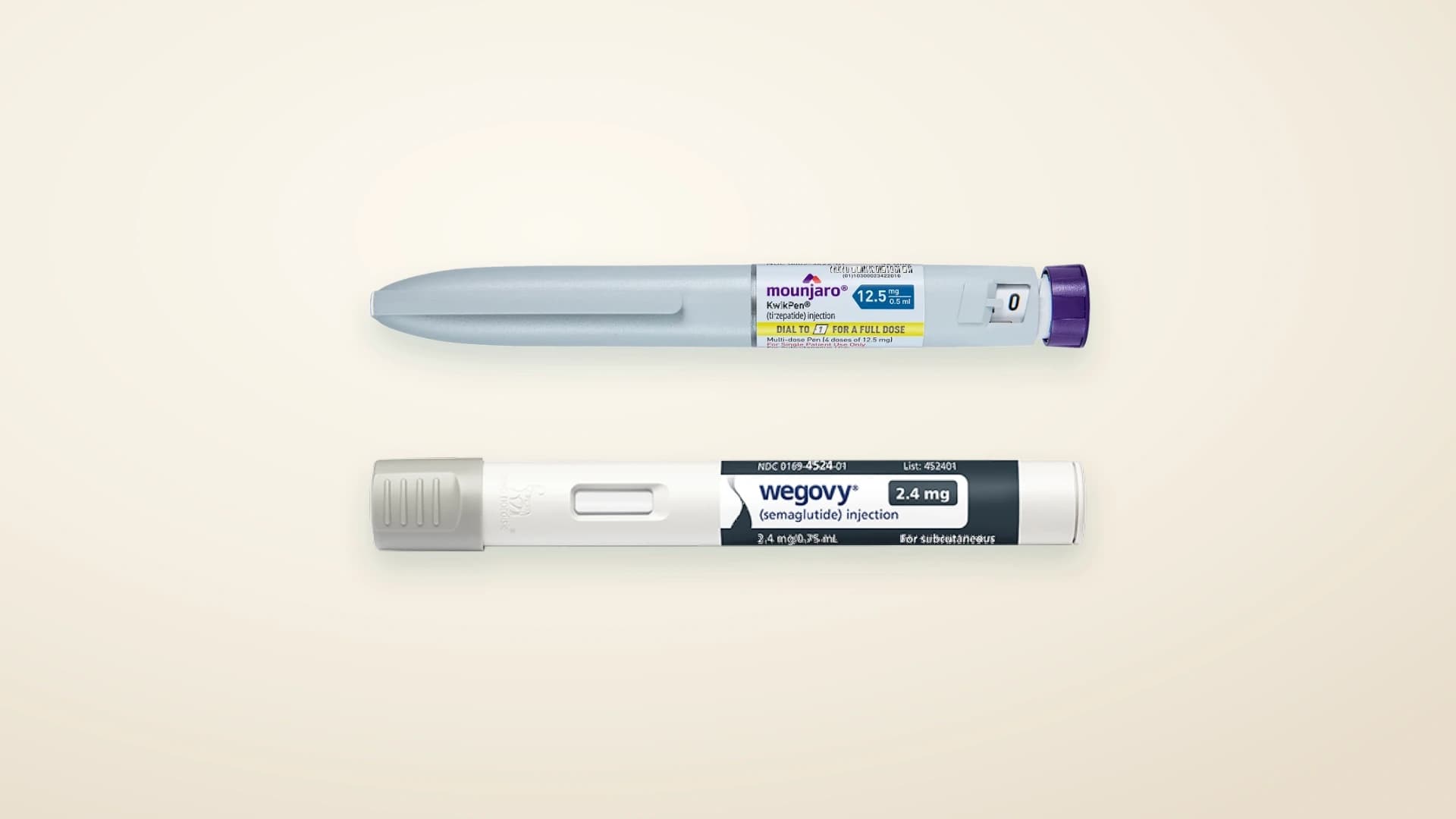
Best peptide therapy clinics in Dubai 2026
Compare peptides Dubai care in 2026: DarDoc for home and online GLP-1 treatment, specialist services for complex cases, and the checks to make before treatment.

Best overall: DarDoc for home and online GLP-1 weight-loss treatment. Best for a complex endocrine history: an endocrinology clinic. Best for care involving several medical conditions: a hospital-based weight-management service. Skip peptide-only sellers that cannot identify the medicine, prescriber and follow-up plan. This 2026 guide ranks care pathways rather than claiming that every Dubai clinic offers the same peptide treatments.
TL;DR- For peptides Dubai searches in 2026, DarDoc is the best fit here for home and online GLP-1 weight-loss care.
- An endocrinology clinic is the better starting point when a complex hormonal condition needs specialist assessment.
- Ask any peptide therapy provider to identify the medicine, prescriber, clinical indication and follow-up plan.
- Do not treat GLP-1 medicines and experimental recovery peptides as interchangeable therapies.
Why this matters
Peptide therapy is not one treatment. A prescribed GLP-1 medicine for weight management, a hormone-related medicine and a peptide promoted for injury recovery raise different questions about evidence, suitability and safety. The clinic that makes sense for one purpose does not automatically make sense for another.
Start by naming the health problem you want assessed, not the peptide you saw advertised. If weight management is your concern, the GLP-1 prescription-to-home-delivery workflow is a more relevant starting point than a generic peptide menu. If your concern is a possible endocrine disorder, ask for a specialist evaluation before discussing a treatment.
DarDoc is the best fit in this comparison for people seeking home and online GLP-1 weight-loss care, not for every form of peptide therapy. That distinction matters in 2026: a convenient appointment cannot substitute for the right diagnosis or a suitable prescriber.
What makes the best peptide therapy clinic in Dubai?
Use these criteria before comparing appointment formats or treatment names:
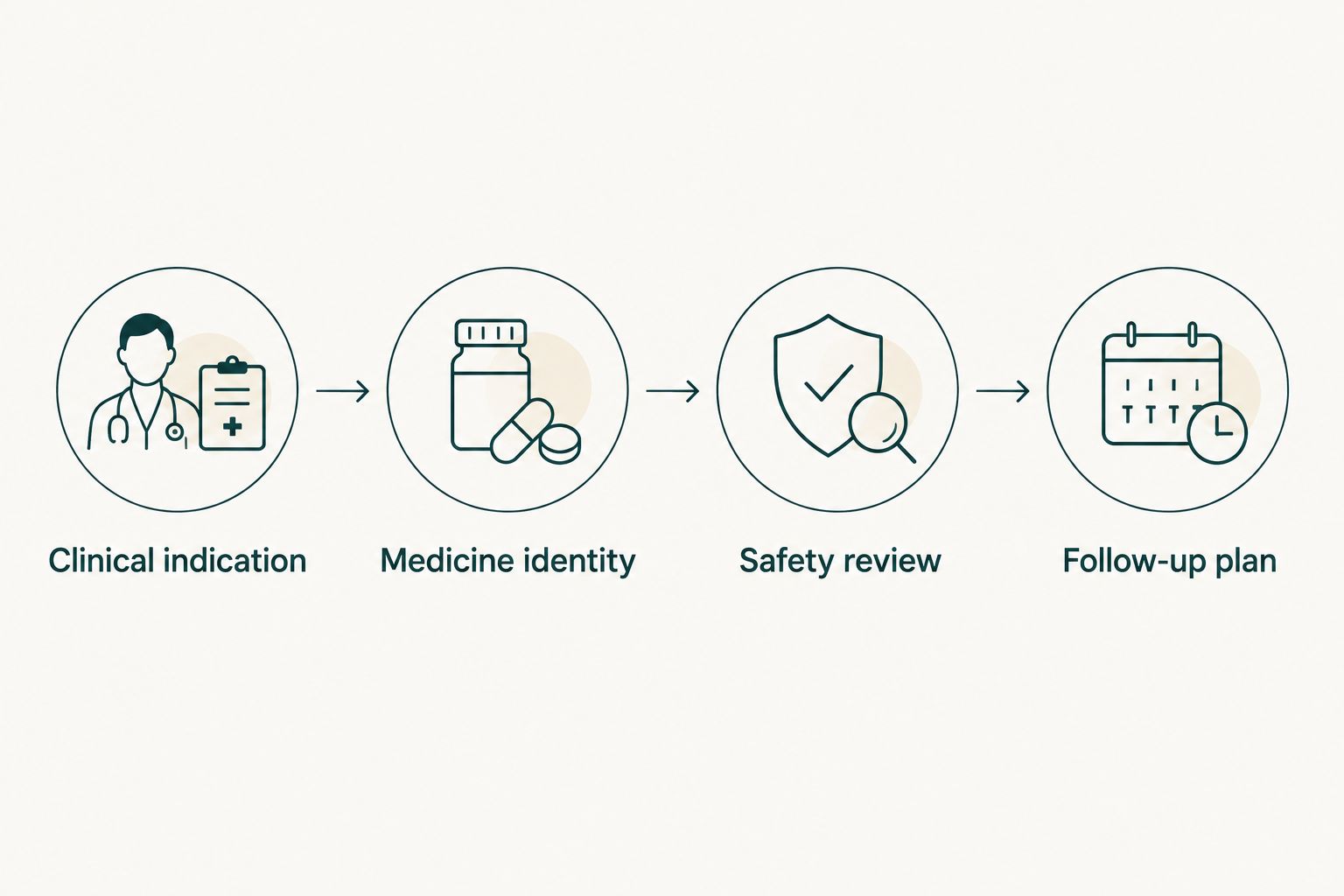
- Clinical indication: The provider explains what condition is being assessed and why a particular medicine belongs in the discussion. A request for a named peptide is not, by itself, a diagnosis.
- Medicine identity: You can obtain the medicine's name, intended use and regulatory status. Ask whether the proposed product is a licensed medicine for the intended use rather than assuming every peptide has the same standing.
- Safety review: A clinician asks about your medical history, current medicines, pregnancy plans and relevant symptoms before recommending treatment. The questions should match the medicine being considered.
- Follow-up plan: You know who reviews side effects, how progress is assessed and when the plan changes or stops. A prescription without follow-up is an incomplete care plan.
- Appropriate setting: Home and online care suits some assessments; a specialist or hospital setting is the better route when your history requires investigations or coordinated care.
- Clear limits: The provider can say when evidence is insufficient, when another specialist should take over and when treatment should not start.
These criteria compare the care you receive, not the number of peptides on a clinic's menu. In 2026, ask for the exact medicine and clinical purpose before you compare providers.
A sensible route has an order: establish the clinical indication, confirm the medicine's identity, complete a safety review, then agree on follow-up. If a provider jumps straight to a treatment name, ask which of those steps has been completed.
Peptide therapy options in Dubai at a glance
The entries below are care pathways, not a directory of verified clinics. Only DarDoc is a named provider in this comparison. Do not read a clinic type as confirmation that a particular Dubai facility offers a particular medicine.
| Option | Best for | Standout feature | Key limitation |
|---|---|---|---|
| DarDoc | Home and online GLP-1 weight-loss care | Home and online healthcare model | Not established here as a provider of every peptide therapy |
| Endocrinology clinic | A complex endocrine question | Specialist assessment of hormonal conditions | The right clinic and treatment depend on the diagnosis |
| Hospital-based weight-management service | Weight care involving several medical conditions | Access to coordinated medical assessment | A hospital setting is not necessary for every patient |
| Peptide-only aesthetic clinic | No default recommendation | May advertise a broad peptide menu | A menu does not establish evidence or clinical suitability |
1. DarDoc: best peptide-care option for home and online GLP-1 treatment
DarDoc provides home and online healthcare in the UAE and offers GLP-1 weight-loss treatment. For someone whose question is specifically about medically supervised weight management, that is a relevant service model. It does not establish that the provider offers BPC-157, CJC-1295, ipamorelin or every treatment advertised under the wider peptide-therapy label.
DarDoc pros:
- Its stated GLP-1 weight-loss service matches a defined treatment category rather than a vague peptide menu.
- Home and online care give patients an alternative to starting every conversation at a clinic.
- Its wider healthcare offering includes at-home blood tests, which you can ask about if a clinician recommends testing.
DarDoc cons:
- A home and online model does not replace an in-person specialist assessment when one is needed.
- The available information does not establish which individual GLP-1 medicine is suitable for you or whether treatment will be prescribed.
- This is not a verified choice for peptide treatments outside its stated services.
Best for: Someone seeking an assessment for GLP-1 weight-loss treatment through a home and online healthcare provider.
Before an appointment, prepare your medication list, relevant medical history and the outcome you want to discuss. Ask which clinician assesses eligibility, what information they need, and how treatment is reviewed if you start. GLP-1 treatment is a clinical decision, not a standard add-on to a peptide package.
Verdict: Buy the assessment if your question is about GLP-1 weight management; use a different pathway if your question requires a specialist diagnosis or another type of peptide.
2. Endocrinology clinic: best for a complex hormonal question
An endocrinology clinic is the right type of service to investigate a possible hormonal or metabolic condition. An endocrinologist can assess whether symptoms, existing diagnoses and test results point to a condition that needs treatment. This entry does not recommend a named Dubai clinic or imply that every endocrinology clinic prescribes peptide medicines.
Endocrinology clinic pros:
- The assessment starts with the condition rather than a requested treatment.
- A specialist can interpret relevant results in the context of your medical history.
- It is an appropriate route when a previous diagnosis or treatment complicates the decision.
Endocrinology clinic cons:
- Specialist assessment does not mean a peptide medicine will be indicated.
- You still need to confirm the individual clinic's scope and appointment process.
Best for: Someone with a suspected or diagnosed endocrine condition who needs a specialist to determine the next clinical step.
Bring previous reports and a complete medication list. Ask which findings would change the diagnosis, whether further tests are needed, and what alternatives exist if a peptide medicine is not appropriate. A useful consultation ends with a plan even when that plan is not a prescription.
Verdict: Hold any peptide decision until the specialist has assessed the underlying question.
3. Hospital-based weight-management service: best for coordinated assessment
A hospital-based weight-management service is a sensible route when weight treatment intersects with several medical conditions or existing specialist care. The advantage is the setting: your treatment decision can be considered alongside other clinical issues. This is a category of service, not a claim that a named hospital offers a specific peptide.
Hospital-based service pros:
- It gives you a route to discuss weight treatment alongside other health concerns.
- It suits patients whose existing care requires coordination between clinicians.
- It provides an appropriate setting to clarify which specialist should lead a complex case.
Hospital-based service cons:
- It can be more care than a straightforward assessment requires.
- A hospital appointment does not guarantee that a GLP-1 medicine or another peptide is suitable.
Best for: Someone whose weight-management decision needs to account for other diagnoses or ongoing specialist treatment.
Tell the service which clinicians already manage your care. Ask who will review any new medicine against your current treatments, who owns the follow-up plan and where you should report side effects. Those questions matter more than whether the service advertises peptide therapy prominently.
Verdict: Buy a coordinated assessment when your medical history makes a single-service decision inadequate.
4. Peptide-only aesthetic clinic: best for no default use case
A peptide-only menu can group medicines with very different purposes and levels of supporting evidence. Without a named clinic, a named product and a documented assessment process, there is no basis to rank this option above condition-led medical care. Advertising a peptide is not proof that it is suitable for your symptoms.
Peptide-only aesthetic clinic pros:
- A published menu can show which treatments you should ask a clinician to explain.
- A consultation can give you an opportunity to request the product's identity and intended use.
- Clear answers to safety and follow-up questions would help you evaluate an individual provider.
Peptide-only aesthetic clinic cons:
- Menu breadth says nothing about the evidence for each proposed use.
- A peptide's popularity does not establish its regulatory status or suitability for you.
- This category cannot be recommended without checking a specific provider and proposed medicine.
Best for: No default patient group. Assess an individual clinic only after you know the clinical indication and exact product under discussion.
Ask for the prescriber's role, the proposed medicine's identity, its intended use, the reason it fits your history and the plan if you have an adverse effect. If the answers remain vague, do not treat a package description as a medical explanation.
Verdict: Skip this route when the provider cannot give clear, medicine-specific answers.
How we ranked these options
The ranking gives priority to a defined clinical need, an identifiable treatment category, an appropriate assessment setting and a follow-up plan. It does not score individual Dubai clinics on licensing, outcomes or patient reviews: those details are not established for the unnamed options above.
The comparison also separates service fit from treatment eligibility. DarDoc ranks first for the stated home and online GLP-1 use case, not because every person asking about peptides should receive a GLP-1 prescription. Endocrinology and hospital services move ahead when the patient's clinical question requires those settings. An unverified peptide menu ranks last because it answers none of the essential questions on its own.
For a 2026 consultation, take the same short checklist to any provider: What condition are you assessing? What exact medicine are you considering? Why does it fit my history? Who handles follow-up? Clear answers make providers easier to compare without guessing from their advertising.
Which peptide therapy option should you choose?
Choose DarDoc as the starting point if you want home or online assessment for GLP-1 weight-loss treatment. Choose an endocrinology clinic when the main question is an endocrine diagnosis. Choose a hospital-based weight-management service when existing conditions make coordination central to the decision. Do not choose a peptide-only seller on the strength of its menu.
If you are comparing treatments for weight management in 2026, keep the decision narrow: assessment first, medicine choice second, follow-up agreed before treatment begins. Semaglutide and tirzepatide are not interchangeable names for a generic peptide package; each medicine needs its own suitability review. A clinician should explain the relevant product and plan rather than ask you to select a peptide from an advertising list.
FAQ
What is the best option for peptides in Dubai in 2026?
DarDoc is the best fit in this comparison for home and online GLP-1 weight-loss care. An endocrinology clinic is a better starting point for a complex hormonal question; the right option depends on the condition being assessed.
Is peptide therapy the same as GLP-1 treatment?
No. GLP-1 treatment is a defined medicine category, while peptide therapy is a broad label used for treatments with different purposes and evidence. Ask for the exact medicine and its intended use.
Does DarDoc offer every peptide treatment?
No such claim is established here. DarDoc's stated services include GLP-1 weight-loss treatment, but that does not confirm it offers other peptides.
Should I see an endocrinologist before asking about peptides?
See an endocrinologist when your main concern is a suspected or diagnosed hormonal condition. A specialist assessment establishes what needs treating before a medicine is chosen.
What should I ask a peptide clinic before treatment?
Ask for the exact medicine, its clinical purpose, the prescriber's role and the follow-up plan. Also ask how your medical history and current medicines affect the decision.
Is an online GLP-1 consultation enough for everyone?
No. An online consultation can be a starting point, but your history or symptoms can make an in-person assessment or specialist input necessary. The assessing clinician should explain the appropriate next step.
Are BPC-157 and GLP-1 medicines interchangeable?
No. They are discussed for different purposes and must not be treated as substitutes. A request for BPC-157 needs its own evidence and safety discussion rather than an assumption based on GLP-1 care.
One last thing
The most useful question in a 2026 peptide consultation is not which peptide is trending. It is what clinical finding would make this treatment appropriate for you—and what finding would rule it out? A provider who can answer both sides gives you a clearer basis for deciding whether to proceed.