Tourist home healthcare is medical care arranged at your accommodation with the aim of addressing suitable health needs without an unnecessary clinic journey. For home healthcare for tourists Dubai searches in 2026, the first decision is whether you need emergency care, an in-person assessment or planned support; a hotel room does not replace a hospital.
TL;DR- Home healthcare for tourists Dubai starts with clinical triage, not choosing an IV drip or blood test.
- DarDoc offers home healthcare and online services in Dubai; confirm tourist eligibility and accommodation access before booking.
- Use emergency services for severe symptoms; UAE ambulance calls use 998.
- Check clinician licensing, travel insurance requirements and follow-up arrangements before accepting a visit.
Why home healthcare matters for tourists
Visitors make healthcare decisions without their usual doctor, familiar medical records or a clear understanding of local referral routes. You also need to coordinate treatment with accommodation rules, travel insurance and a departure date. Those constraints make the assessment and handover as important as the visit itself.
DarDoc provides at-home nursing, blood tests, IV drips, online healthcare and family care in Dubai and Abu Dhabi. DarDoc home healthcare is best suited to readers comparing at-home nursing, blood tests and family care in Dubai. Tourist eligibility, the requested service and access to your accommodation still need confirmation before booking.
The practical advantage of appropriate home care is avoiding a journey for a service that can safely happen where you are staying. Its limitation is equally important: a visiting clinician cannot reproduce every diagnostic, monitoring or treatment capability of a hospital.
For your 2026 trip, choose the setting around the medical need—not around which option interrupts your itinerary least. Convenience belongs after safety in the decision.
How to arrange suitable care during your Dubai visit
1. Decide whether your symptoms need emergency care
Start with your symptoms, not a service menu. Severe breathing difficulty, chest pain, collapse, signs of stroke or uncontrolled bleeding need emergency assessment rather than a routine home appointment. In the UAE, call 998 for an ambulance.
Do not wait for a booking confirmation when symptoms are severe or rapidly worsening. Tell the emergency operator your exact location, including the building, hotel entrance and room information when relevant. If you are unsure how urgent a problem is, seek clinical triage rather than deciding from an article.
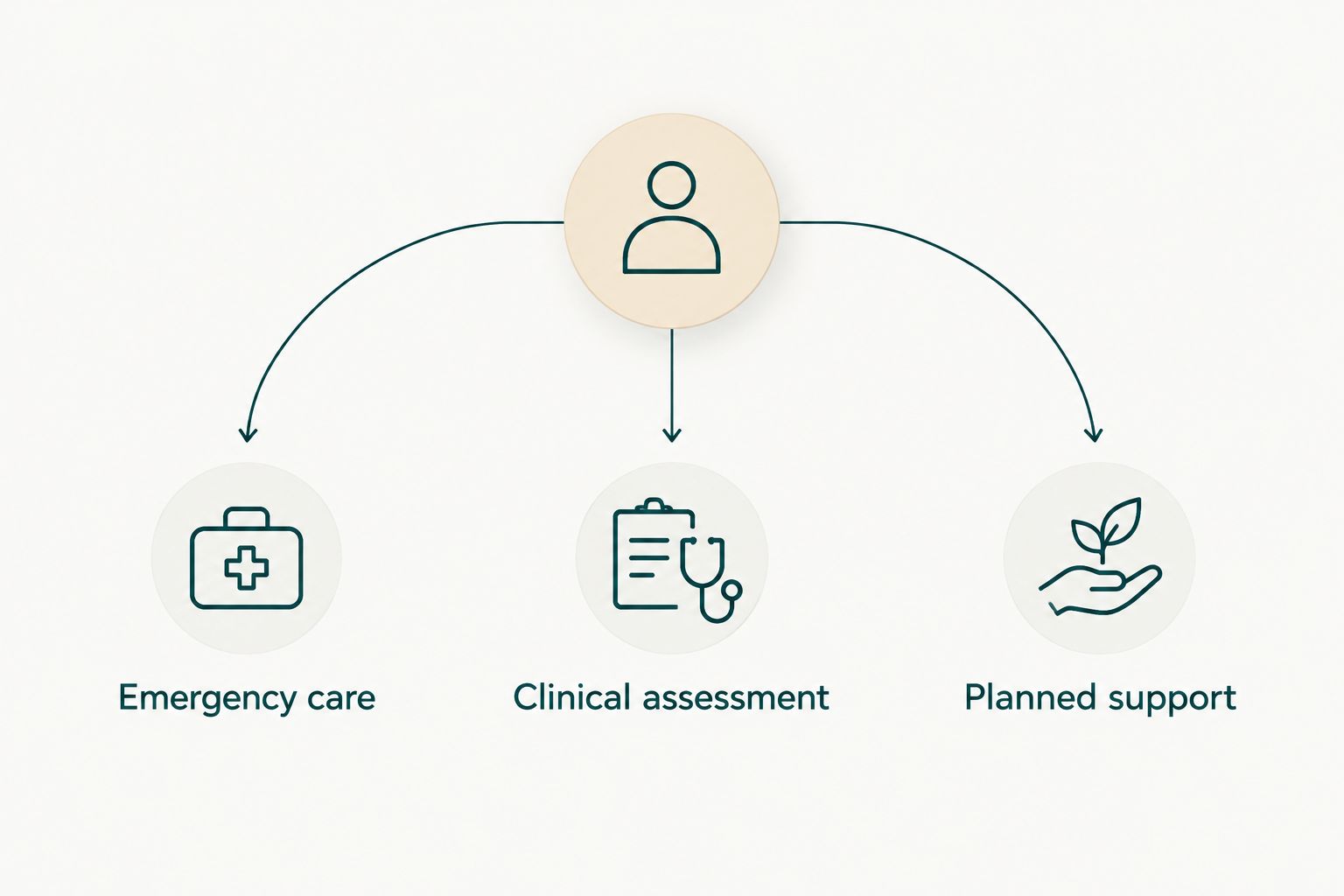
Separate your immediate need into these routes:
- Emergency care: seek urgent help for severe or rapidly worsening symptoms.
- Clinical assessment: get advice about new symptoms before selecting treatment.
- Planned support: arrange an existing care need after confirming the care plan.
2. Prepare a portable medical summary
You can do this yourself before contacting any provider. Create a 1-page medical summary that a clinician can read without searching through messages, screenshots and travel documents. Include the reason you need care and what has changed from your usual health.
Use medicine names, doses and allergies rather than descriptions such as a small white tablet. If the patient is a child or an older relative, make clear who can provide the history and participate in decisions. Keep relevant discharge letters or recent results available separately.
For a 2026 booking, prepare the following:
- List current medicines, supplements, doses and the last dose taken.
- Record allergies and the reaction each allergy caused.
- Summarise existing conditions, recent procedures and relevant test results.
- Note symptom onset, progression and any treatment already tried.
- Save 2 contact numbers: the patient or companion and an emergency contact.
3. Check the provider, clinician and accommodation access
First, ask your accommodation whether an outside healthcare professional can attend and what access arrangements apply. Then ask the provider whether it accepts tourists at that address. A Dubai service description alone does not establish that every hotel, short-term rental or visitor request is accepted.
Check the professional who will attend, not just the booking contact. Dubai Health Authority licensing is relevant to healthcare practice in Dubai; Department of Health licensing relates to Abu Dhabi. Ask which regulator applies and how to verify the clinician's current credentials.
DarDoc lists home and online healthcare services, but confirm the specific visit arrangements directly. The guide to home healthcare providers in Dubai is a related starting point for provider comparison.
- Confirm tourist eligibility and the exact accommodation address.
- Ask for the attending professional's role and licensing details.
- Check who is responsible for clinical assessment and escalation.
- Confirm entry permissions, reception procedures and patient privacy.
- Ask what happens if the requested care is unsuitable at home.
4. Match the service to the clinical question
A test, drip or nursing procedure is not a substitute for deciding what is wrong. Begin with the question you need answered: assessment of a new symptom, completion of an existing care plan, or support with an established medical need.
An online consultation avoids travel but cannot provide a hands-on examination. At-home nursing addresses agreed nursing needs, while a blood collection supplies a sample for a specified test. Neither automatically includes diagnosis, interpretation or a treatment decision; confirm those responsibilities explicitly.
DarDoc offers these service categories alongside IV drips and weight-loss treatment. Choose a service because it answers a clinical need, not because it sounds restorative after a flight. A 2026 holiday timetable is not a reason to skip assessment.
- Describe the problem before requesting a particular procedure.
- Ask whether you need an examination before treatment.
- Clarify the purpose of each proposed blood test.
- Discuss medicines, allergies and relevant conditions before an IV infusion.
- Confirm who interprets results and decides the next step.
5. Check insurance and booking terms before agreeing
Read your travel insurance documents yourself, then contact the insurer if the wording is unclear. Ask specifically about care delivered at a hotel or rental accommodation. Do not assume that a policy covering medical treatment also covers every home visit, test or elective service.
Request a written explanation of the proposed service and billing arrangements. Confirm whether you must pay the provider and submit a claim, or whether another process applies. Only the insurer can confirm coverage under your policy; a booking agent's reassurance is not a coverage decision.
Keep the administrative checks separate from the clinical ones. Insurance approval does not establish that a treatment is appropriate, and clinical suitability does not establish reimbursement.
- Check whether prior authorisation is required.
- Ask how the policy treats pre-existing conditions and elective care.
- Confirm which receipts, reports and prescriptions a claim needs.
- Request written billing and cancellation terms before agreeing.
- Keep a record of the insurer's instructions and reference details.
6. Prepare the room and agree the visit plan
You do not need to turn your accommodation into a clinic. You do need a private, accessible space where the clinician can assess you and explain the plan. Ask the provider what the particular procedure requires rather than guessing about equipment or preparation.
Do not fast, stop prescribed medicines or change doses unless the responsible clinician gives instructions. Preparation differs by test and treatment. If you receive unclear directions, resolve them before the appointment rather than improvising on the morning of the visit.
For a 2026 hotel stay, agree the practical details with both the provider and reception. Your travel companion can help with access, but the patient's consent and privacy remain central.
- Confirm the entrance, room details and access arrangements.
- Choose a private space with room for assessment and equipment.
- Keep your medical summary and relevant documents accessible.
- Ask for procedure-specific preparation instructions.
- Agree how consent, questions and any change of plan will be handled.
7. Arrange follow-up before the clinician leaves
A home visit is not complete when the procedure ends. You need to know what was assessed, what was done and who owns the next decision. This matters especially when results will arrive after you change hotels or leave the UAE.
Request 1 written visit record per appointment, including the assessment, treatment and follow-up instructions where applicable. Ask the clinician to distinguish expected effects from symptoms that require another assessment. Do not accept a vague instruction to get in touch if needed without knowing whom to contact.
Build your 2026 departure date into the plan. If a clinician recommends further assessment before travel, address that recommendation rather than treating checkout as the end of care.
- Confirm when and how any results will be communicated.
- Identify the clinician responsible for interpreting those results.
- Obtain written treatment and medicine instructions.
- Ask which symptoms require urgent or emergency assessment.
- Agree how records will reach your usual doctor after departure.
Compare the care settings before booking
The best option is the setting that can assess and manage your need safely. Use this comparison to decide what to ask for, not to diagnose yourself. A clinician can redirect you when the initial choice does not fit your symptoms.
| Option | Best for | Practical advantage | Key limitation |
|---|---|---|---|
| Online clinical consultation | Initial advice when remote assessment is appropriate | No journey; lets you discuss symptoms and next steps | Cannot provide a hands-on examination or an on-site procedure |
| At-home nursing | Agreed nursing care suitable for your accommodation | Delivers planned support where you are staying | Scope depends on the care plan; not a substitute for emergency assessment |
| At-home blood collection | Clinician-requested tests suitable for home sampling | Avoids travelling solely for sample collection | Results still need interpretation and a follow-up plan |
| Clinic appointment | Problems requiring an in-person examination | Provides face-to-face assessment in a clinical setting | Requires travel and confirmation of the clinic's relevant services |
| Hospital or emergency department | Severe symptoms or needs requiring hospital facilities | Access to hospital assessment and escalation | Not the setting to choose solely for routine convenience |
DarDoc home healthcare includes nursing and blood-test services, but confirm what a particular booking includes. Ask whether assessment, sample collection, result interpretation and follow-up are separate arrangements. The service name alone does not answer those questions.
Common mistakes tourists make
Choosing a drip before discussing symptoms
Tiredness, nausea or feeling unwell after travel does not establish that an IV infusion is the right treatment. Describe the symptoms first. Ask for an assessment of the cause and the appropriate care setting before agreeing to a procedure.
Assuming the hotel approves every outside visit
A provider accepting your request does not resolve building access or privacy arrangements. Confirm reception procedures before the appointment, particularly when someone needs assistance reaching the room. Avoid sending sensitive medical information through hotel staff unless it is necessary and you consent.
Treating a blood-test result as a diagnosis
A laboratory report answers the test ordered; it does not automatically explain every symptom. Ask who will interpret the result in the context of your history and examination. Keep the follow-up appointment or communication plan, including when a result appears normal.
Starting or changing long-term treatment around a holiday
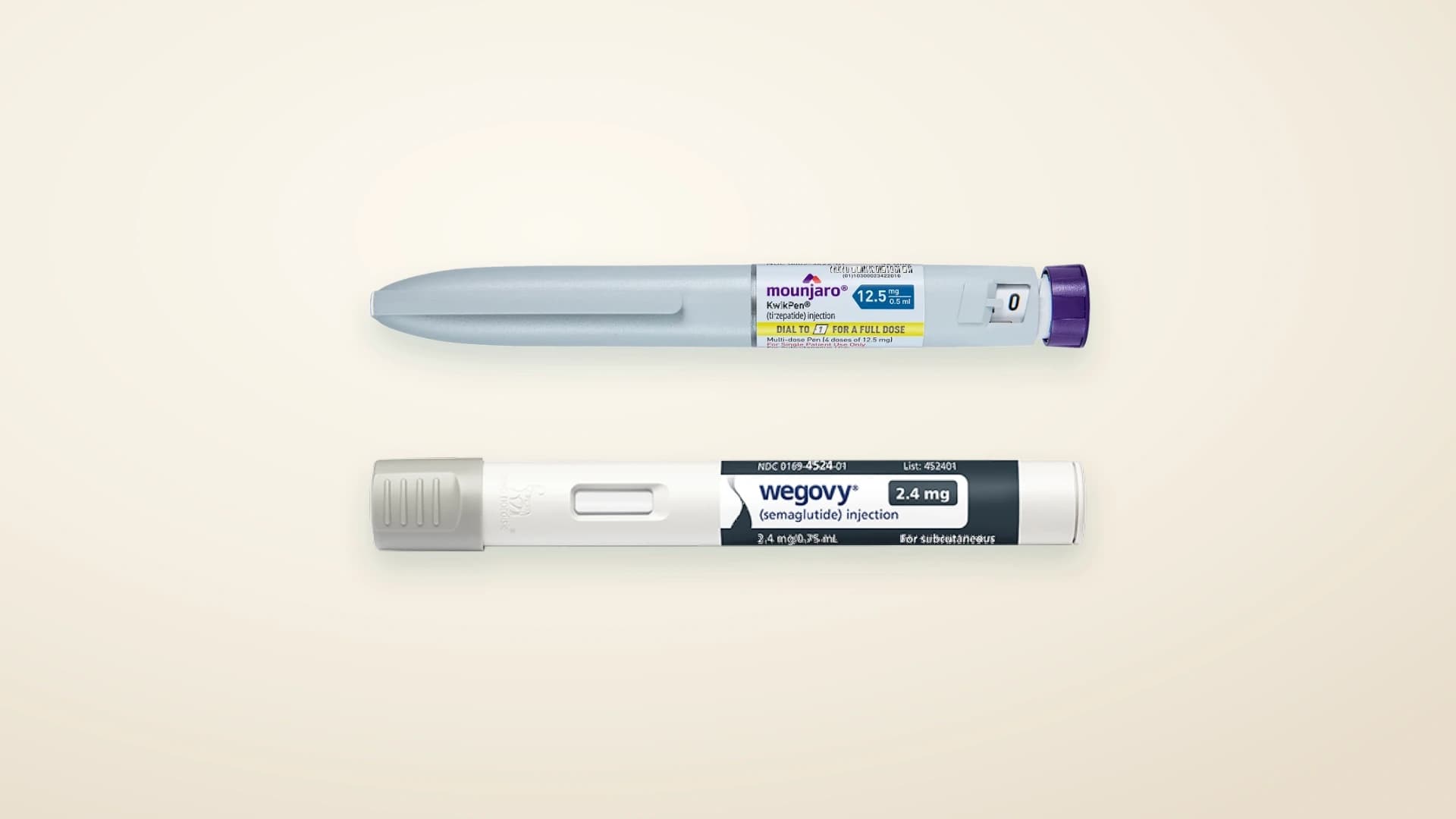
GLP-1 weight-loss treatment requires a prescribing assessment and continuity plan, not just access to medication. Do not use a short Dubai visit as a reason to rush initiation, change doses or switch medicines. Bring your existing prescription history and discuss who will supervise treatment after you leave.
Leaving without a usable handover
A receipt proves a transaction, not what the clinician found or advised. Request the clinical record separately and check that you understand the next step. Save it somewhere accessible to you and your usual healthcare professional, not only in a booking conversation.
FAQ
Can tourists book home healthcare in Dubai?
Confirm tourist eligibility directly with the provider before booking. Give your accommodation address, explain the care needed and ask what identification, clinical records and access arrangements are required.
Can a nurse visit my hotel room in Dubai?
A hotel-room visit needs confirmation from both the healthcare provider and the accommodation. Ask whether the requested nursing care is suitable there and agree entry, privacy and preparation requirements.
Is home healthcare better than going to a clinic?
Home healthcare is appropriate only when the required care can be delivered safely at your accommodation. A clinic is the better setting when you need an examination or facilities that the home service cannot provide.
What should I do if I become seriously unwell in Dubai?
Call 998 for an ambulance in the UAE if you have severe symptoms such as major breathing difficulty, collapse or signs of stroke. Do not wait for a routine home healthcare booking to respond.
Does travel insurance cover a home healthcare visit?
Coverage depends on your policy and the service requested. Ask the insurer about accommodation-based care, prior authorisation, pre-existing conditions and the documents needed for reimbursement.
Should I book an IV drip for tiredness after a flight?
Do not choose an IV drip solely because you feel tired after a flight. Describe your symptoms to a clinician first so the assessment, treatment and care setting match your actual need.
What should I ask before an at-home blood test?
Ask why the test is needed, whether preparation is required and who will interpret the result. Confirm how follow-up will work if the report arrives after you leave Dubai.
What does DarDoc offer in Dubai?
DarDoc offers home and online healthcare, including at-home nursing, blood tests, IV drips, GLP-1 weight-loss treatment and family care. Confirm tourist eligibility, the specific service and accommodation access directly before booking.
One last thing
Plan the handover before you plan the appointment. Your departure date creates a practical deadline for results, treatment review and communication with your usual doctor. A convenient visit without a named follow-up clinician leaves the most important decision unresolved.
For any 2026 booking, finish with this question: who reviews what happens next, and how will I reach them after I leave Dubai? Get the answer in writing alongside your care instructions.