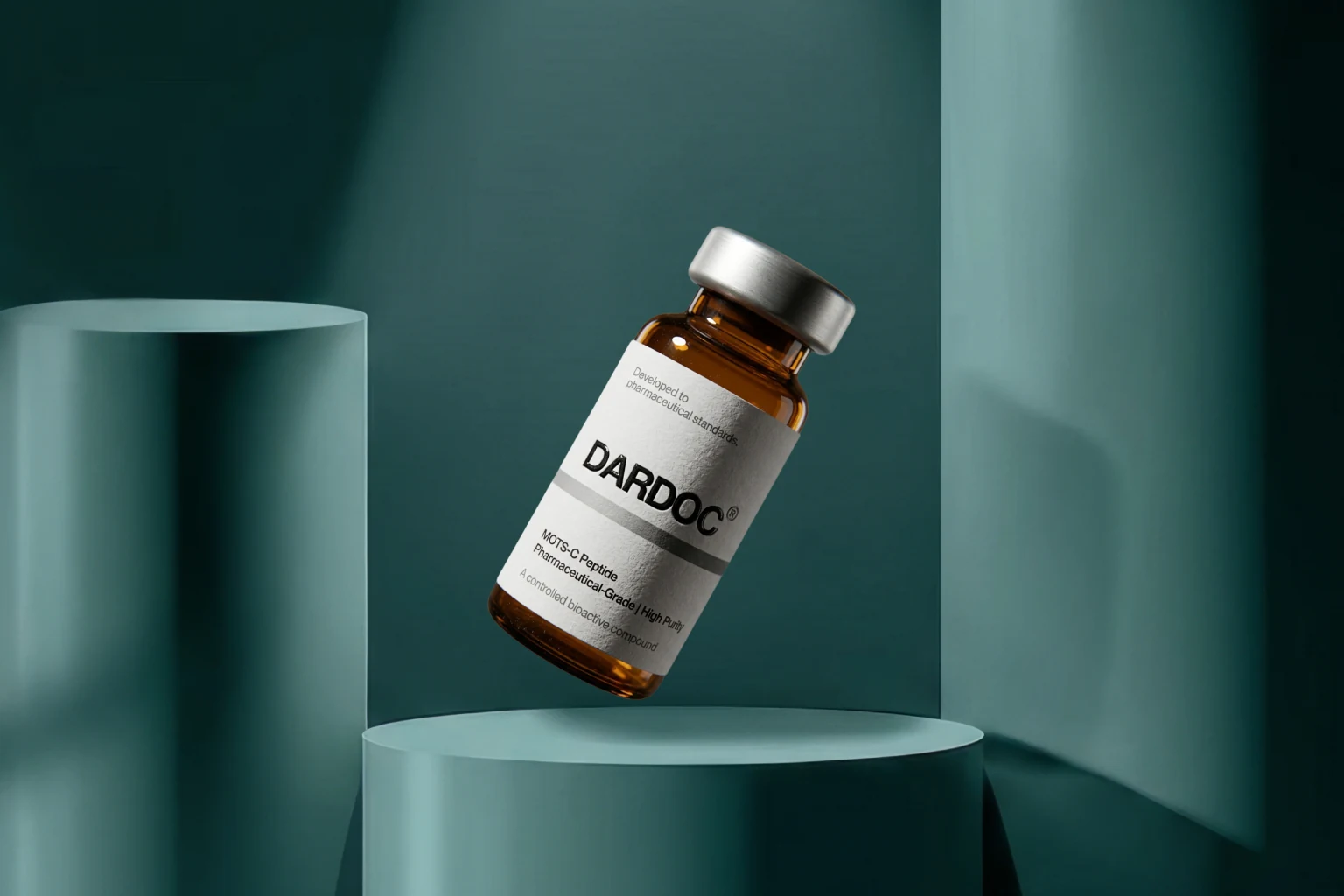
Somewhere in a fulfilment warehouse, possibly in Eastern Europe, possibly in Southeast Asia, possibly in a US state with permissive postal regulations, a vial of off-white powder labelled "BPC-157, 5mg, research only, not for human use" is sitting on a shelf at ambient temperature. It has been there for eleven days. Before it got there it was in a cargo container for a fortnight. It is now being packed into a padded mailer, addressed to a flat in Marina, Dubai, and shipped through a courier that does not specifically check what is inside. Two weeks later it will arrive at the recipient's door. The recipient will look at it, see the brand name they recognise from a Reddit thread, and proceed as planned.
This is the modal experience of buying "research-grade" peptides from the international online market in 2026. Almost every part of it falls outside the framework that the word "pharmaceutical" implies. The vial may contain what the label says it contains. It may contain less. It may contain something different. It may contain the right molecule but at a different concentration than stated. It may contain bacterial endotoxins from a sterility breach during compounding. The recipient cannot verify any of this without sending the product to a third-party analytical lab, which most recipients do not. This article is about what "research-grade" actually means, what "pharmaceutical-grade" actually means, and how to tell the difference when you are looking at a vial in your hand or a website on your screen.
What "research-grade" actually means
The phrase is used loosely in the supplement market, but it has a specific origin. "Research grade" is the common shorthand for substances produced for use in laboratory research, typically in cell culture, in vitro assays, animal model studies, and bench biochemistry. The defining property of a research-grade substance is that it is not produced under the standards required for human therapeutic use. The reason is straightforward: laboratory research has different requirements than human medicine.
Research substances are typically produced in facilities that are not certified to current Good Manufacturing Practice (cGMP) standards. cGMP certification is the framework that governs the manufacture of substances intended for human use. It covers facility design, contamination controls, batch documentation, employee training, and a long list of other requirements. Research-grade substances are typically produced in facilities that meet research-laboratory standards, which are real but different and substantially less stringent.
Research substances are not typically subject to batch-level testing for sterility, potency or endotoxin content at the level required for human medicine. They may be tested for purity (the percentage of the labelled active ingredient versus contaminants) and may have a basic Certificate of Analysis, but the testing depth is calibrated to laboratory use, not clinical use.
Research substances are typically labelled with disclaimers stating that the product is for research only and not intended for human consumption. These disclaimers are not decorative. They reflect the actual regulatory status and quality framework under which the substance was produced.
Research substances are not subject to the supply chain controls, cold-chain transport, temperature-monitored storage, controlled distribution, that govern pharmaceutical-grade products. They are shipped through general commercial logistics, often without temperature control, often through customs frameworks that do not contemplate human-use peptides at all.
None of this means a research-grade vial is necessarily contaminated, mislabelled, or harmful. Some research-grade producers operate to genuinely high standards and produce products that are very close to pharmaceutical-grade in quality. The point is that the framework does not require them to. A research-grade product can be excellent or it can be terrible, and the end-user typically cannot tell which without sending it for analysis.
What "pharmaceutical-grade" actually means
"Pharmaceutical-grade" is also used loosely, but it has a specific meaning that is worth being precise about. A pharmaceutical-grade peptide is a peptide produced for use in human therapeutics, under the manufacturing and quality framework that applies to medicines.
Pharmaceutical-grade raw materials are produced in cGMP-certified facilities. The certification is granted and audited by national regulatory bodies and covers every aspect of the manufacturing process. cGMP certification is the line between "made for laboratory research" and "made for human medicine," and it is the most important single distinction in the conversation about peptide quality.
Pharmaceutical-grade peptides are subject to batch-level testing for purity, potency, sterility and endotoxin content. The testing standards are calibrated to human medicine: a batch that fails any of these tests does not get released for human use. The testing is performed by qualified analytical chemists, documented in batch records, and the results are typically available on request as a Certificate of Analysis specific to the batch the patient is receiving.
Pharmaceutical-grade peptides are dispensed by licensed pharmacies. In the UAE, that means licensed compounding pharmacies operating under MOHAP and EDE oversight. The pharmacy is itself subject to inspection, must follow specific compounding standards, and must document every batch it produces. The prescription record links a specific patient to a specific batch from a specific pharmacy at a specific date.
Pharmaceutical-grade peptides move through a cold-chain supply network. From the moment of compounding to the moment of administration, the product is held at the appropriate temperature, typically 2 to 8 degrees Celsius for most peptides, with some requiring frozen storage. The cold-chain is documented and any breach in the chain triggers a quality-control review.
The shorthand version, useful when looking at a clinic's website or a vendor's product page: pharmaceutical-grade is what you get from a licensed clinic working with a licensed compounding pharmacy. Research-grade is everything else.
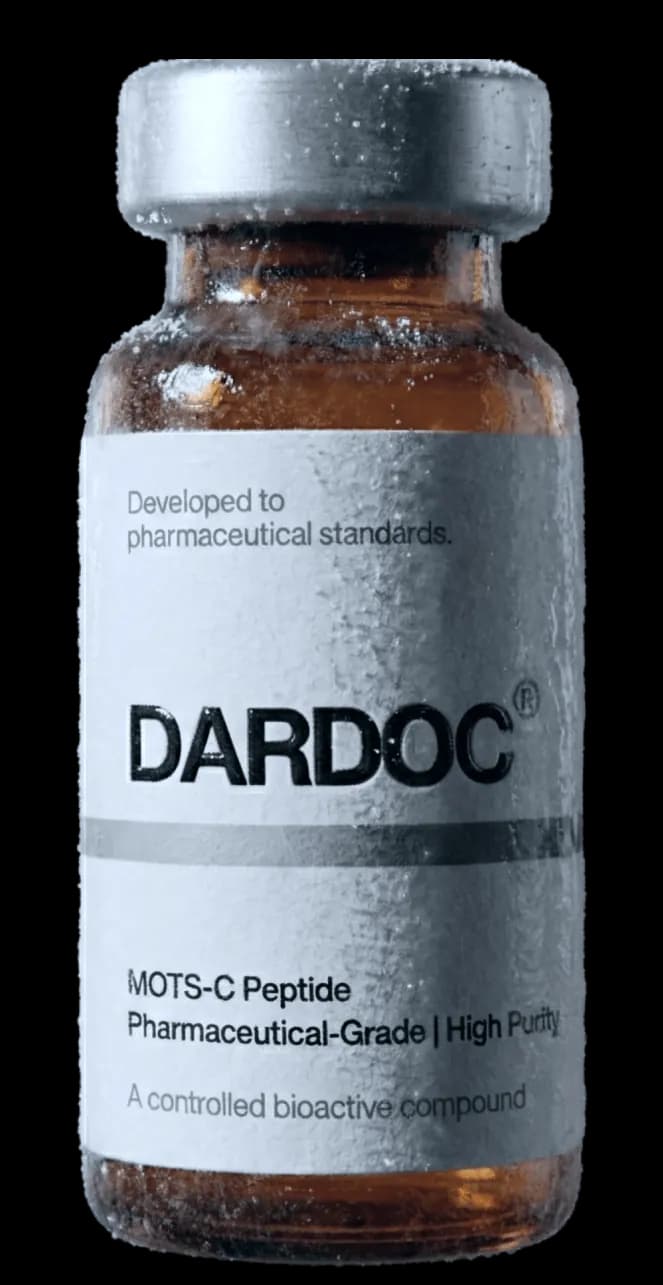
Why the difference matters at the molecular level
The phrase "research-grade vs pharmaceutical-grade" can sound like a regulatory technicality. It is not. The difference shows up at the level of what is actually in the vial, in ways that matter clinically.
Identity. A peptide is a specific sequence of amino acids in a specific configuration. The active fragment is sometimes a portion of a larger peptide, with the rest of the molecule discarded during synthesis. Research-grade preparations have variable rates of synthesis errors, truncated sequences, and oxidised variants. Pharmaceutical-grade preparations are subject to mass spectrometry and amino acid analysis to confirm the identity of the molecule before release.
Purity. Peptide synthesis produces the target molecule alongside side-products: incomplete sequences, deletion variants, and chemical contaminants from the synthesis process. Pharmaceutical-grade preparations are typically required to achieve 98 percent or higher purity, with the remaining 2 percent characterised. Research-grade preparations may achieve similar purity, or they may not, and the unidentified contaminant fraction may be substantially larger.
Sterility. Peptides are typically supplied as lyophilised (freeze-dried) powders that are reconstituted with bacteriostatic water before injection. Pharmaceutical-grade preparations are produced under sterile conditions and tested for microbial contamination. Research-grade preparations may not be sterile, and an injectable peptide that is not sterile is a vehicle for delivering bacteria directly into the bloodstream.
Endotoxin content. Bacterial endotoxins are fragments of the cell walls of gram-negative bacteria. Even small quantities of endotoxin in an injectable preparation can cause significant inflammatory reactions, including fever, rigors, and in serious cases hypotension. Pharmaceutical-grade preparations are tested for endotoxin content using the limulus amoebocyte lysate (LAL) assay or equivalent. Research-grade preparations may not be tested at all.
Potency. The amount of active peptide actually present in the vial, expressed as a percentage of the labelled amount. A vial labelled 5mg may contain 5mg, or 4mg, or 6mg, or 2mg if degradation has occurred. Pharmaceutical-grade preparations are tested for potency before release and again at expiry. Research-grade preparations may have wider potency tolerances, may not be tested at all, and may be subject to greater degradation during transport and storage.
These are not theoretical concerns. They are the specific risks the pharmaceutical-grade framework was developed to mitigate, and they are the specific risks the research-grade market does not consistently mitigate.
Speak to a DarDoc physician
The Certificate of Analysis: how to read one
The Certificate of Analysis (CoA) is the single most useful document in the peptide quality conversation. It is the laboratory's report on what the product actually contains, and how that compares with what the label claims. A patient receiving a pharmaceutical-grade peptide should be able to see the CoA for the specific batch their vial came from. A vendor of research-grade peptides may or may not provide a CoA, and the CoA they provide may or may not be batch-specific.
A useful CoA includes, at minimum, the following:
- Batch number, manufacturing date and expiry date. A CoA without a batch number is meaningless. It is a generic document that may not reflect the specific batch you are receiving. Cross-check the batch number on the CoA against the batch number on the vial. They should match.
- Identity confirmation. Typically by mass spectrometry. The CoA should show the observed molecular weight and confirm that it matches the expected molecular weight of the target peptide.
- Purity, expressed as a percentage. Typically determined by high-performance liquid chromatography (HPLC). Pharmaceutical-grade products typically achieve 98 percent or higher. The CoA should show the HPLC chromatogram or the numerical purity figure.
- Sterility test result. A pass or fail against the relevant pharmacopeia standard.
- Endotoxin test result. Expressed in endotoxin units per milligram (EU/mg). The threshold depends on the route of administration and the dose.
- Storage conditions. The temperature range under which the product was stored at the manufacturer and pharmacy, and the recommended storage conditions for the patient.
A document that does not include all of these is not a complete CoA. A vendor that cannot provide a complete CoA for the specific batch you are receiving is not operating to pharmaceutical-grade standards, regardless of what they call themselves on their website.
The questions to ask any UAE clinic before starting peptide therapy
The framework above translates into a short list of questions that any patient considering peptide therapy in the UAE should ask before starting. A clinic that operates to pharmaceutical-grade standards will be able to answer all of them, in writing, on request. A clinic that cannot is not the right place to start.
- Is this clinic licensed by the relevant emirate health authority, DHA in Dubai, DoH in Abu Dhabi, MOHAP in the Northern Emirates, to prescribe and administer peptide therapy? May I see the licensing documentation?
- Which UAE-licensed compounding pharmacy will produce my prescription? Is the pharmacy licensed under MOHAP and EDE oversight? May I see the pharmacy's licensing documentation?
- What are the source and grade of the peptide raw material? Is it produced in a cGMP-certified facility? May I see the manufacturer's certification?
- Will I receive a Certificate of Analysis for the specific batch of my prescription? May I see a sample CoA from a previous batch?
- How is the cold-chain maintained from compounding to delivery? At what temperature is the product held at each stage? Is there a temperature-logging device on the delivery package?
- Who is the prescribing physician? Are they licensed in the relevant emirate to prescribe compounded peptide therapy? May I see the physician's credentials?
- What is the documented consultation process? Will my medical history, current medications and treatment goals be reviewed? Will the prescription be off-label, and if so, will I be informed and consented in writing?
- What happens if I have an adverse reaction? Who do I contact? Is there 24-hour clinical support during the protocol?
These questions are not aggressive. They are the questions a thoughtful patient should ask, and a clinic operating within the framework should welcome. A clinic that bristles, dodges or asks why you are asking is telling you something useful about itself.
Why the price difference exists
Pharmaceutical-grade peptide therapy in the UAE typically costs more, sometimes substantially more, than research-grade peptides purchased online. The price difference is real and it is worth understanding.
Raw material cost. cGMP-certified raw materials cost more than research-grade raw materials, sometimes by an order of magnitude. The cost reflects the certification, the testing, the facility standards and the documentation that goes into producing them.
Compounding cost. A licensed UAE compounding pharmacy operating under MOHAP and EDE oversight has substantial fixed costs, facility, equipment, personnel, regulatory compliance, that get amortised across the prescriptions it produces. The per-vial cost is higher than the per-vial cost of a vial produced in a research lab without those overheads.
Testing cost. Each batch of pharmaceutical-grade peptide is tested for identity, purity, sterility, potency and endotoxin content. The testing is performed by qualified analytical chemists and the cost is built into the product.
Cold-chain cost. Refrigerated storage and transport, temperature monitoring, and qualified delivery infrastructure all cost more than commercial logistics. The cost is built into the product.
Clinical oversight cost. The physician consultation, the documented prescription, the follow-up, and the 24-hour clinical support are services with their own costs that are reflected in the overall price.
The price difference between research-grade and pharmaceutical-grade peptide therapy is the safety margin. It is the cost of every framework that the research-grade market does not maintain. It is the most honest reason for the difference and the one most worth understanding before making a decision.
The bottom line
Research-grade peptides and pharmaceutical-grade peptides may share a name on the label, but they are produced under different frameworks, tested to different standards, distributed through different supply chains and prescribed under different regulatory oversight. The differences are not theoretical. They show up at the level of what is actually in the vial, in ways that matter clinically.
In the UAE, the pharmaceutical-grade pathway runs through licensed clinics, licensed compounding pharmacies, documented physician prescriptions and cold-chain delivery. The research-grade pathway runs through online vendors, international shipping, ambient-temperature warehouses and self-prescription. The framework that protects you is the one you can verify, with documentation, on request.
If you are considering peptide therapy in the UAE, the questions in this article are the right ones to ask. A clinic that can answer all of them in writing is operating within the framework. A clinic that cannot is not. The price difference between the two pathways is the safety margin, and understanding what you are paying for is the most useful way to think about whether the cost makes sense for you. This article is educational. It is not medical advice for your specific situation.