A 41-year-old portfolio manager comes into a Dubai sports-medicine clinic on a Wednesday afternoon. He has a partial-thickness supraspinatus tear from a CrossFit class in Al Quoz six weeks ago, an MRI from a clinic in JLT that confirms it, and a physiotherapist who has been very patient with him. He has read three Reddit threads, two long-form Substacks and a thread on a UAE peptide forum. He arrives with a single question already loaded: "Can we do the Wolverine Stack?"
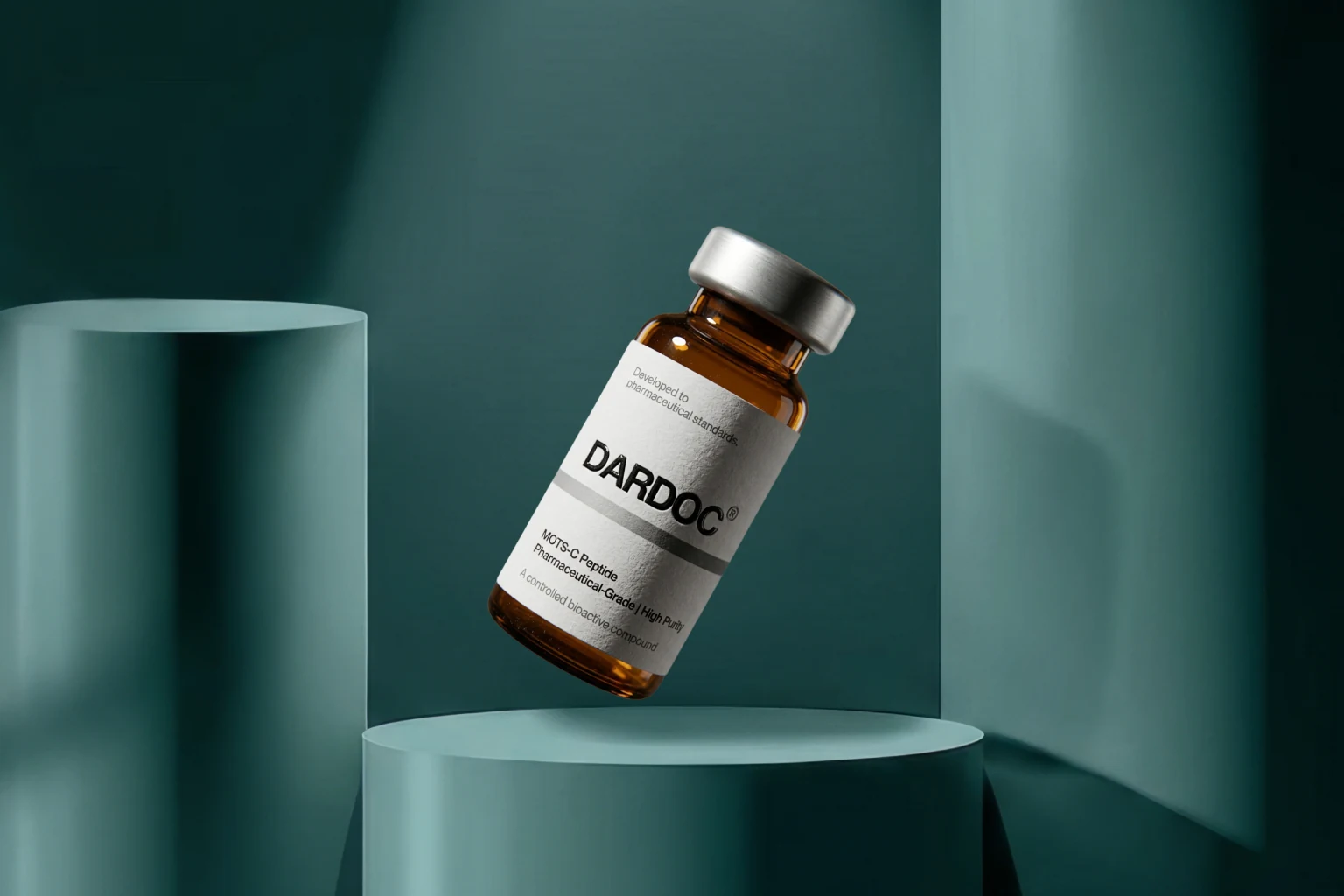
The Wolverine Stack is the colloquial name for a combined protocol of BPC-157 and Thymosin Beta-4 (commonly sold as TB-500), used for accelerated soft-tissue injury recovery. It is the most-discussed peptide pairing in active-expat circles in the UAE and one of the most aggressively marketed online. It also sits squarely in the same evidence grey zone as its components: real preclinical signal, plausible mechanism, no phase III human trials, and a regulatory frame that any honest clinic has to be straight about. This is not a sales piece. It is the conversation a thoughtful physician has with a patient who walks in asking for it by name.
Where the name comes from
The Wolverine Stack name is marketing, not medicine. It traces to bodybuilding forums in the mid-2010s, where the BPC-157 + TB-500 pairing started circulating as an off-label injury protocol for athletes who wanted to train through soft-tissue injuries. The Wolverine reference is to the comic character's mutant healing factor. The name stuck because it is memorable, not because it is accurate.
What the name gets right is that this is a stack, two distinct peptides, used together, on overlapping mechanistic grounds. What the name gets wrong is the implied promise. There is no peptide protocol on earth that approximates fictional regeneration. The realistic question is whether two well-studied preclinical signaling molecules, used together under medical supervision, can meaningfully accelerate the timeline of conservative soft-tissue recovery in the right patient. That question is worth asking. The marketing answer is not the same as the clinical answer.
What BPC-157 brings to the stack
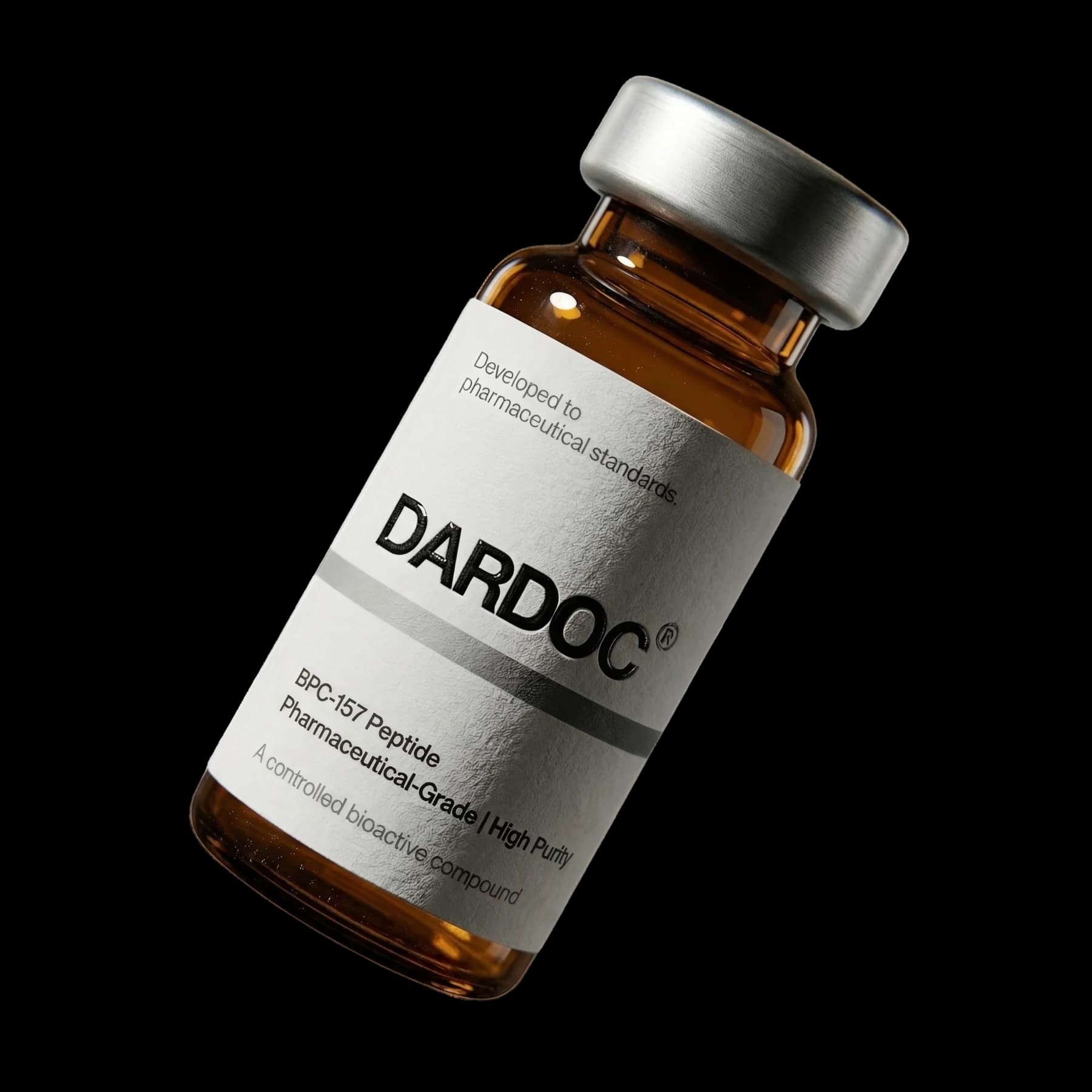
BPC-157 stands for Body Protection Compound-157. It is a 15-amino-acid sequence derived from a larger protein found in human gastric juice [Sikiric et al., Inflammopharmacology, 2018]. The peptide does not exist in this isolated form in the human body. It is a fragment, identified, isolated and characterised by a research group at the University of Zagreb. The most-replicated mechanistic finding for BPC-157 is its effect on angiogenesis, the formation of new blood vessels, primarily through upregulation of vascular endothelial growth factor receptor 2 (VEGFR2) signaling and modulation of the nitric oxide system [Huang et al., Vascular Pharmacology, 2015].
In tendon and ligament injury models, this matters because the limiting factor in soft-tissue healing is often vascularity. Tendons are poorly perfused at baseline. New blood vessels in injured tendon tissue mean better delivery of oxygen, nutrients and resident repair cells. Independent work has reported acceleration of tendon-to-bone healing in rotator cuff models in rats, with outgrowth of the FAK-paxillin pathway implicated as one mechanism [Chang et al., Journal of Applied Physiology, 2011].
The bulk of the BPC-157 evidence base remains preclinical, and a disproportionate share comes from a single research lineage. There are no phase III randomized human trials. We have covered the BPC-157 evidence ladder in more depth in a separate journal piece on tendon healing. The short version is that the preclinical signal is real, the human data is small and mostly uncontrolled, and the responsible clinical position is "reasonable adjunct in the right patient, after the basics."
What TB-500 brings to the stack
TB-500 is the marketing name for a synthetic fragment of Thymosin Beta-4, a naturally occurring 43-amino-acid protein found in essentially every human cell, with particularly high concentrations in platelets and wound fluid [Goldstein et al., Nature Reviews Molecular Cell Biology, 2005]. Thymosin Beta-4 is not a fringe molecule. It is one of the most-studied actin-sequestering proteins in cell biology, and it has been investigated in multiple clinical trial settings for indications including dry eye, pressure ulcers, and acute myocardial infarction.
The mechanistic story is different from BPC-157 in interesting ways. Thymosin Beta-4 sequesters G-actin, regulating cytoskeletal dynamics in a way that directly enables cell migration, and cell migration is the rate-limiting step for repair cells getting to an injury site [Goldstein et al., 2005]. It also upregulates laminin-5, modulates inflammatory cytokine signaling, and has been shown to promote the migration and differentiation of endothelial progenitor cells in cardiac repair models [Bock-Marquette et al., Nature, 2004].
The branded TB-500 is not the full Thymosin Beta-4 protein. It is most often a shorter active fragment (LKKTETQ, the actin-binding domain), or in some compounded preparations the full Thymosin Beta-4 sequence is used. The naming is loose in the supplement market and tight in the clinical literature, and any clinician prescribing it should know which version is in the vial. This matters more than it sounds.
The clinical evidence ladder for Thymosin Beta-4 is closer to the ground than BPC-157's. There have been small phase II human trials in dry eye disease and pressure ulcer healing, with mixed but generally favourable signals [Sosne et al., Clinical Ophthalmology, 2015]. There is no phase III trial in tendon or ligament injury. The orthopaedic and sports-medicine use case is preclinical and case-series based, in the same way BPC-157's is.
Why use them together?
The clinical logic for stacking BPC-157 and TB-500 is that they appear to act on different but complementary parts of the soft-tissue repair cascade.
BPC-157 weights toward angiogenesis and vascular delivery. Better blood supply to the injured tendon or ligament, more growth factor availability, more nutrient flow.
TB-500 weights toward cell migration and cytoskeletal remodeling. Repair cells reach the injury site more efficiently, and the early phase of tissue reorganization may proceed more cleanly.
In theory, this is a more complete signaling environment than either peptide alone. In practice, this is a theory that has not been formally tested in a head-to-head human trial. The combined protocol exists because clinicians and athletes have used both peptides in sequence or together for over a decade and reported anecdotal benefit. It does not exist because a randomised trial has demonstrated synergy. That is an important distinction to keep in mind when reading marketing material that describes the stack as "clinically proven." It is not.
What can be said honestly is that the mechanistic case for combining them is coherent, the side effect profiles of both peptides are individually mild at clinical doses [Sikiric et al., 2018; Sosne et al., 2015], and the combined protocol does not present obvious additive safety concerns over either peptide alone. That is the basis on which the stack is used in practice. It is a reasoned extrapolation, not a proof.
The UAE patient archetypes
The Wolverine Stack conversation lands in UAE clinics with a particular density. Three patient patterns drive most of it.
Padel and racquet sport injuries. The padel court count in Dubai and Abu Dhabi has roughly tripled in the last three years, and the average padel player is a 30-to-50-year-old professional playing four times a week without a warm-up culture. Medial and lateral epicondylitis, partial rotator cuff tears, and chronic Achilles tendinopathy are the three injuries that walk through the door. The combined protocol is most often discussed in the context of partial-thickness rotator cuff tears that have plateaued on conservative care.
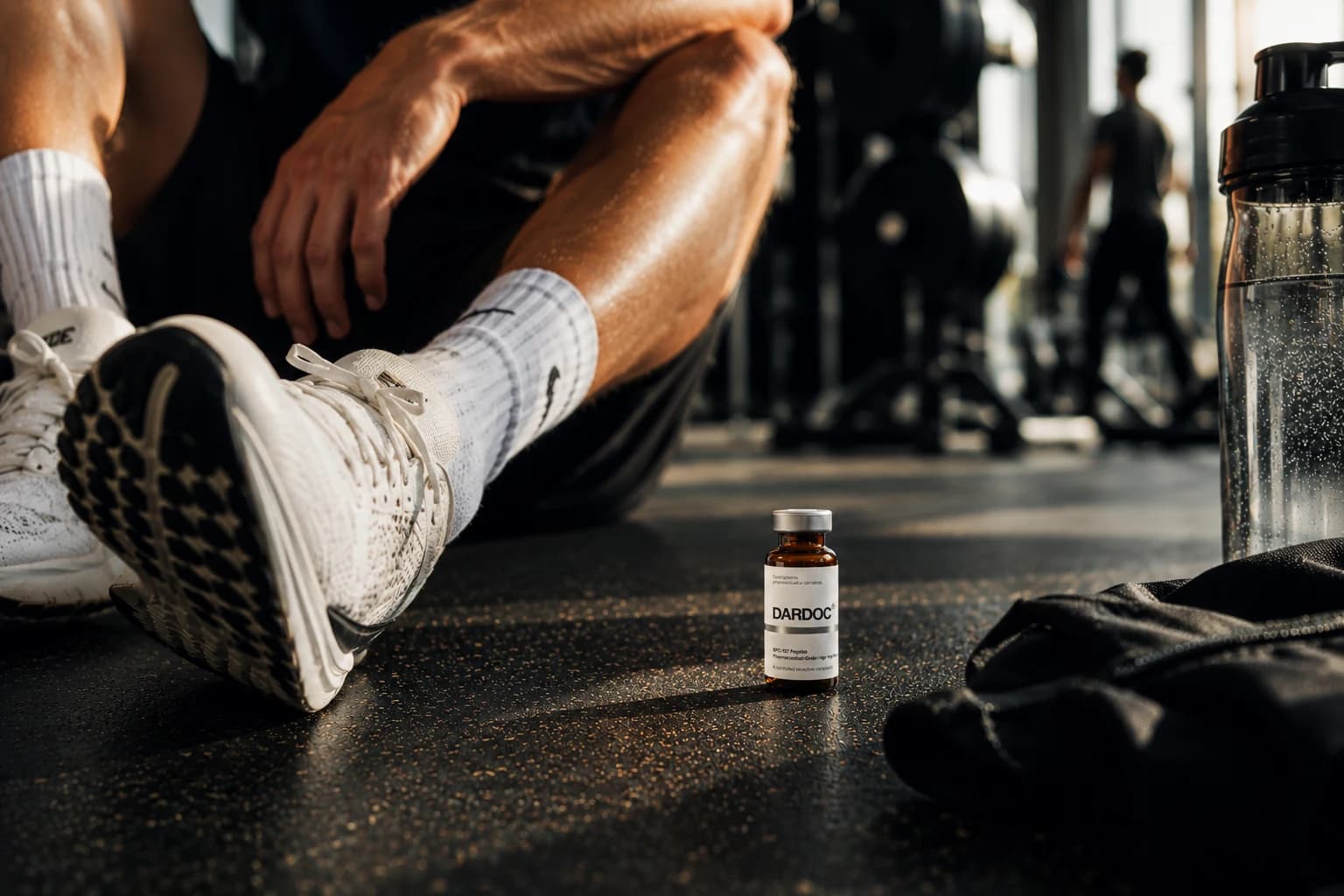
CrossFit and functional-fitness shoulder and elbow injuries. The Al Quoz boxes, the JLT affiliates, the Yas Island gyms. Snatch volume, kipping pull-up volume, and supraspinatus and biceps tendon irritation. The stack conversation here is often about getting an athlete back to a competition timeline that conservative care alone may not meet.
Acute soft-tissue tears in older recreational athletes. Hamstring strains, calf strains, partial gastrocnemius tears in the 45-plus weekend football and trail-running population. The Hatta trail series and the early-morning Dubai Marina and Saadiyat boardwalk runners produce a steady stream.
None of these patterns is unique to the UAE. The density is. A Dubai sports-medicine clinic compresses what a London or New York clinic sees across a much larger geography, and the volume of Wolverine Stack questions reflects that.
Speak to a DarDoc physician
How the protocol is typically structured
Any reasonable Wolverine Stack protocol is built around four parameters, and a clinician should be able to explain all four before a patient agrees to anything.
Which peptides, at what concentrations, from which compounding pharmacy. The vials should come from a licensed UAE compounding pharmacy operating under MOHAP and EDE oversight, with batch-level testing for sterility, potency and endotoxins. The pharmacy and the production batch should be documented in the prescription record. A vial of unknown origin from a gym contact is not the same product, and no honest clinic will work with one.
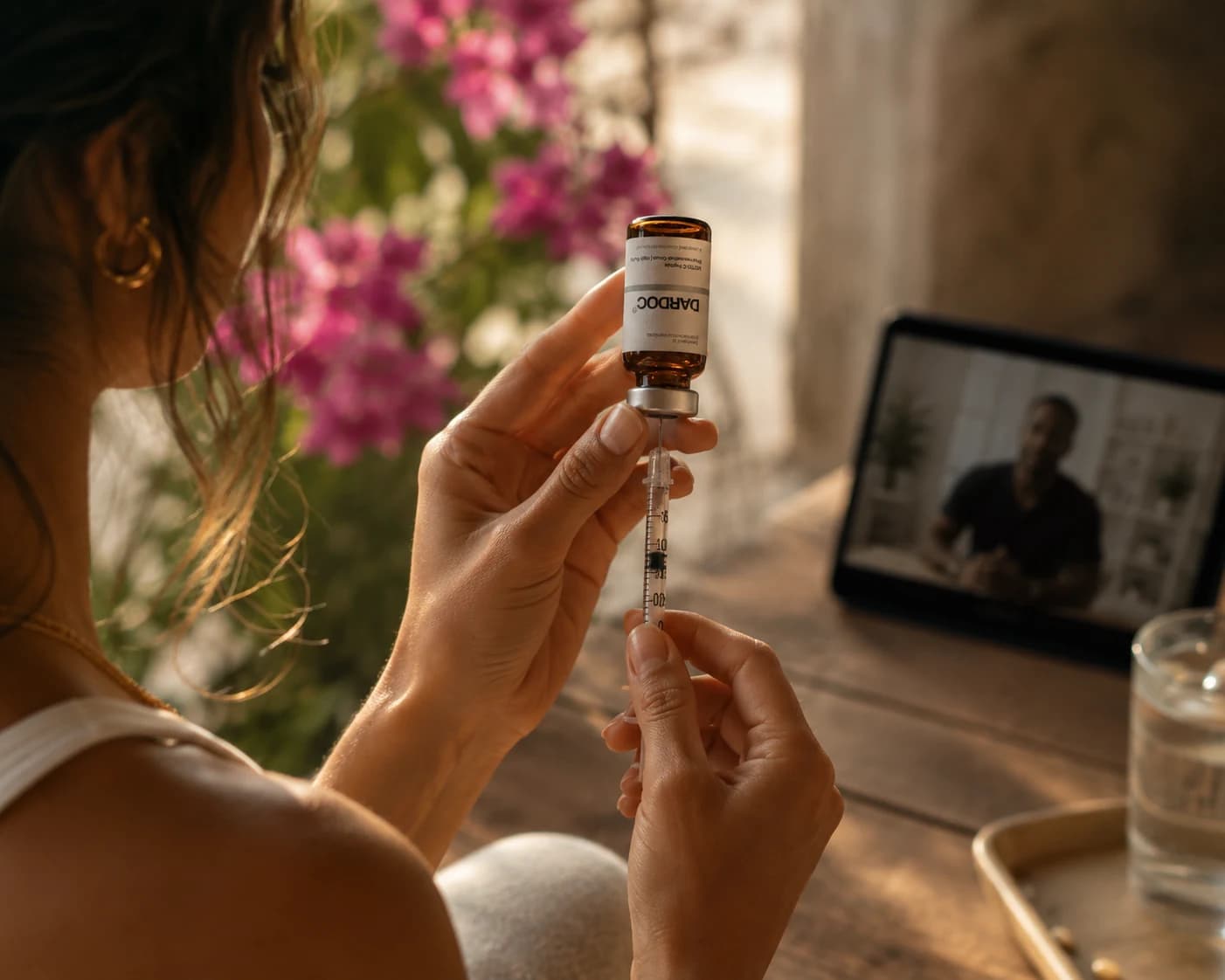
Route of administration. Subcutaneous injection is the route used in essentially all of the relevant preclinical and case-series literature for both peptides. It is the only route that takes the existing evidence seriously for an injury indication. Oral BPC-157 has a defensible niche for gastrointestinal indications. For a rotator cuff tear, it is not the primary route. Topical and nasal forms have no place in an injury protocol in 2026.
Treatment length. Most documented protocols for soft-tissue recovery run between 4 and 12 weeks, with the upper end reserved for chronic or complex injuries [Sikiric et al., 2018; Goldstein et al., 2005]. Open-ended use is not supported by the evidence base, and any protocol that has no defined endpoint should be questioned.
What "success" looks like. A protocol with no defined outcome measure is a protocol that cannot fail, which is another way of saying it cannot be evaluated. A reasonable plan defines what a positive response looks like at week four, week eight and week twelve, and what the next step is if the response is not seen. That might be a return-to-loading milestone, a pain-on-loading score, an ultrasound or MRI follow-up at the appropriate interval, or a return to a specific training threshold. It should be defined before the first injection, not after.
The dosing itself is set by the prescribing physician, based on the patient's weight, the injury, and the literature. We do not publish specific dosing schedules in a public-facing article, for the same reason a hospital does not publish chemotherapy regimens on its blog: dosing is a clinical decision, not a recipe.
The side effect profile of the combined protocol
Across the available preclinical and case-series literature, both BPC-157 and Thymosin Beta-4 fragments have a generally mild side-effect profile at therapeutic doses. Reported issues are uncommon and typically include local injection-site reactions, transient dizziness, and occasional changes in blood pressure for BPC-157 [Sikiric et al., 2018], and injection-site reactions and rare transient flu-like symptoms for Thymosin Beta-4 [Sosne et al., 2015]. There are no published reports of serious adverse events at typical clinical doses for either peptide.
The honest caveats are the same as for either peptide alone. There is no long-term human safety data for daily subcutaneous use of either compound at five or ten years. Both peptides have angiogenesis-related effects, which is the proposed mechanism for their healing benefit and also the theoretical concern in patients with a personal or strong family history of malignancy. Anything that promotes new blood vessel formation is a theoretical concern in the context of a tumour's blood supply, and the responsible default is caution. A patient with active or recent malignancy, a strong family history, or any active inflammatory or autoimmune condition that changes the calculus should have a different conversation.
The MOHAP, DHA and DoH regulatory reality
Neither BPC-157 nor TB-500 is an FDA-approved drug. The FDA has issued guidance specifically classifying many compounded peptides, including BPC-157, as falling outside the bulk-substances list eligible for compounding by 503A pharmacies in the United States [FDA Guidance on Compounded Peptides, 2023]. That decision is jurisdiction-specific. In the UAE, both peptides sit in the compounded category, which means a licensed clinic working with a licensed UAE compounding pharmacy can, in principle, prescribe and dispense them for off-label use after a documented physician consultation.
Three things should be true of any UAE clinic that prescribes the Wolverine Stack. The clinic should be DHA-, DoH-, or MOHAP-licensed and able to evidence it. The compounding pharmacy should be UAE-licensed and operating under MOHAP and EDE oversight. The supply chain should be cold-chain controlled at 2 to 8 degrees Celsius from compounding to administration, because peptides degrade in heat and light. If any one of those three is missing, the protocol is not a Wolverine Stack. It is a vial of something, of unknown content, with unknown quality control.
The World Health Organization has flagged the Eastern Mediterranean as a hotspot for substandard and falsified medical products [WHO, 2017], and peptides are particularly easy to mislabel because the end-user cannot verify content without lab analysis. The cheapest vial on offer is almost always the one that has skipped at least one of those three controls. The price difference is the safety margin.
Who the Wolverine Stack is, and isn't, for
A reasonable case for considering the combined protocol looks like this. A patient with a documented soft-tissue injury (partial rotator cuff tear, chronic Achilles tendinopathy, partial hamstring tear, medial or lateral epicondylitis) confirmed where appropriate on ultrasound or MRI. The patient has plateaued on a properly executed course of conservative care: structured physiotherapy, eccentric loading, activity modification, and where appropriate platelet-rich plasma. The patient has no malignancy history, no active inflammatory condition that would change the calculus, and is not pregnant or breastfeeding. The conversation includes informed consent that the evidence is preclinical-heavy and that the protocol is off-label.
An unreasonable case looks like this. Prophylactic use in a healthy athlete who wants to "recover faster" with no underlying injury. Use in any patient with active or recent malignancy, or a strong family history that warrants a different conversation. Use in pregnancy or breastfeeding. Use in a child or adolescent. Use as a substitute for a proper diagnostic workup, including imaging, when imaging is indicated. Use to train through an injury rather than to recover from one.
The single most common mistake in the Wolverine Stack conversation is reaching for it before the basics have been done. Most soft-tissue injuries improve with structured loading, time and discipline. The peptide question belongs at the end of the conservative-care conversation, not the beginning. A clinic that prescribes the stack on the first visit, without imaging, without a physiotherapy history, without a defined endpoint, is not running an injury-recovery protocol. It is running a sales process.
The bottom line
The Wolverine Stack is the colloquial name for combined BPC-157 and Thymosin Beta-4 (TB-500) therapy, used for soft-tissue injury recovery. Both component peptides have real preclinical signal in tissue repair, plausible and complementary mechanisms (angiogenesis on the BPC-157 side, cell migration and cytoskeletal remodeling on the Thymosin Beta-4 side), and small but growing clinical case-series literature. Neither peptide is FDA-approved. Neither has been tested in a phase III randomised trial for an orthopaedic indication. The combined protocol carries the regulatory, supply-chain and informed-consent caveats that come with any compounded research-grade peptide therapy in the UAE.
It is reasonable to consider for the right patient, after the basics, with a licensed physician, a licensed compounding pharmacy, cold-chain integrity, a defined endpoint, and explicit informed consent. It is not reasonable as a shortcut, a prophylactic, a way to train through an injury, or a vial bought from someone who knows someone at a gym.
If you are thinking about the Wolverine Stack for a specific injury, the first conversation is not about the peptides. It is about your diagnosis, what you have already tried, and whether the basics have been properly done. The second conversation is about whether the stack is a sensible adjunct in your specific situation. Those conversations belong with a DHA-, DoH-, or MOHAP-licensed clinician who knows the literature, the regulatory frame and your medical history. This article is educational. It is not medical advice for your specific situation.