Notice what happens
Describe your symptoms, their timing, and the patterns you have noticed in your daily routine.
Your health goals
Understand the symptoms before choosing a treatment.
Patterns, food, routine, and your medical history can help frame a useful conversation about digestive health.
Start with the whole picture YOUR HEALTH. YOUR REASONS.
Understand the goal
Start with what you notice. Understand what it means. Discuss a relevant next step.
Describe your symptoms, their timing, and the patterns you have noticed in your daily routine.
Make it personal
Start with what matters to you.
Choose a topic to find a question you can bring to your physician. Add what you’ve noticed, when it started and what you’d like to understand.
You don’t need to know which treatment to ask for. Start with the conversation.
Your conversation starter
Your conversation starter
Your conversation starter
3 options to understand
See why each option comes up, what studies have examined, and which formats are available. Your physician can help assess what is relevant to you.
 DarDoc peptides
Digestive health
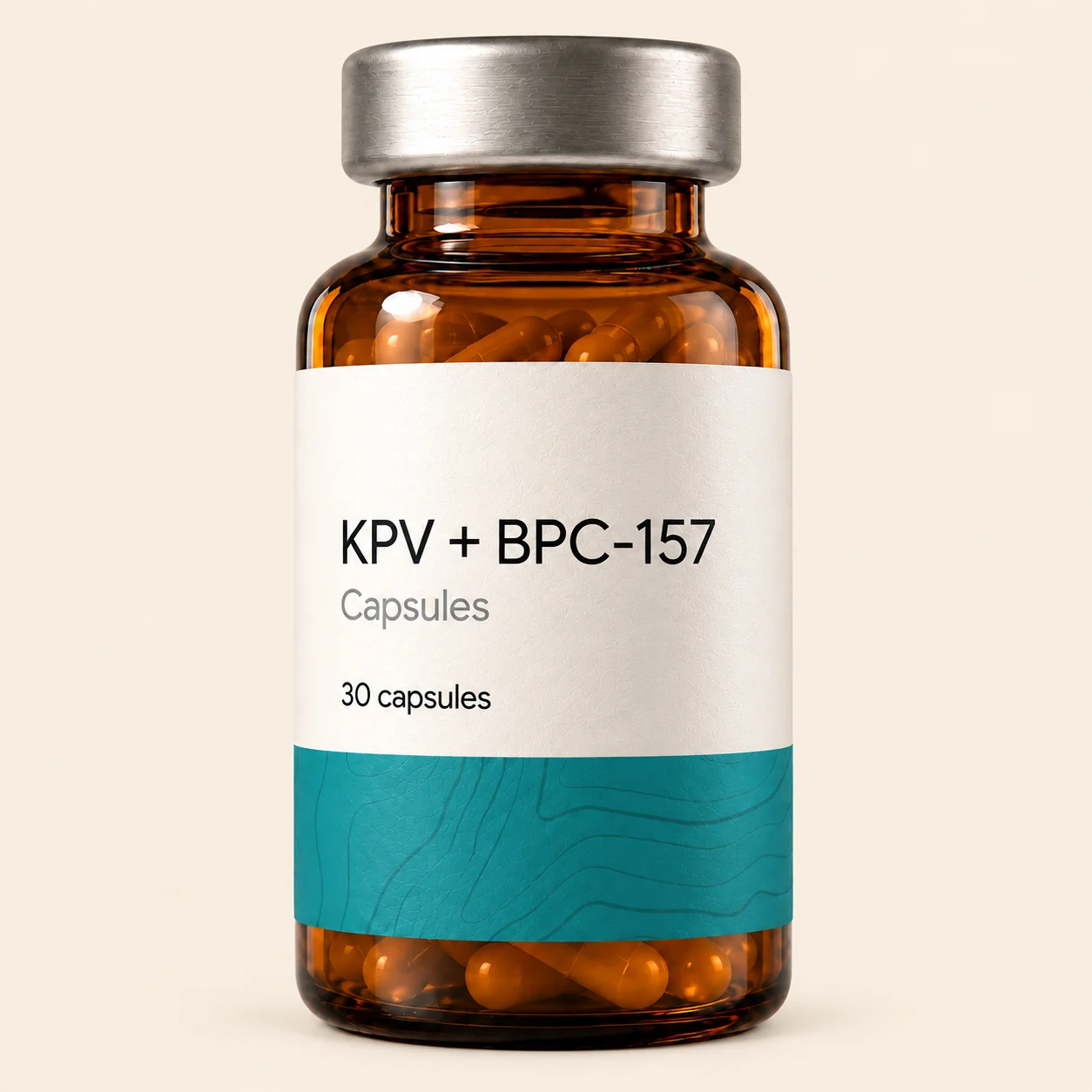
Animal studies investigated colon healing. They do not demonstrate relief of a human digestive condition from a BPC-157 capsule.
 DarDoc peptides
Digestive health
KPV was studied in intestinal cells and mouse inflammation models. That explains the digestive association without establishing a human symptom benefit.
 DarDoc peptides
Digestive health
The digestive association comes from experimental ingredient biology. Evidence for this exact oral combination in people has not been established.


A physician can help
Bring your questions to a physician. Review your goals, current health, and established care options before choosing a treatment.
Before you decide
The compounds in this topic are connected to intestinal biology. Much of the cited work is in cells or animals, which cannot establish symptom relief from a capsule in people.
Suitability depends on your health history, current medicines, and the specific preparation.
A physician may recommend further assessment, established care, or no peptide treatment.
A peptide name is only the beginning. The preparation, clinical need and available evidence all matter to the decision.

Medical Director & Physician, DarDoc

Physician, DarDoc
Discuss the symptoms or diagnosis behind your interest in a peptide, alongside current medicines and previous treatment.
Consider the evidence for its route and intended use, its regulatory status, and established treatment alternatives.
Discuss potential benefits, uncertainties and risks. A prescription is considered only when clinically appropriate and permitted.
If treatment is prescribed, agree on monitoring, side effects to report and when to reassess the plan.
SCOPE credentials shown relate to obesity medicine, not peptide-specific certification. The treating physician is confirmed at booking.
A few things to know
Each compound is grouped by the biological or clinical topics covered in its literature. A profile explains that connection, the study type and whether the evidence concerns the same molecule and route. Grouping is not a claim of effectiveness.
Cell and animal studies can reveal how inflammation works. The relevant next question is whether an oral preparation improves a diagnosed condition in a controlled human study.
No. A result may concern a particular diagnosis, route or preparation. Your physician should explain whether it applies to you, what remains uncertain and which alternatives are available.
Bring your health goals, medical history, current medicines and supplements, relevant test results, and questions about the evidence or a particular compound.
Other things on your mind?

Training load, mobility and injury history. Start by understanding what is slowing recovery.

Weight, energy and metabolic markers. Review the whole picture with your physician.

Skin texture, scalp concerns and your current routine. Explore the evidence for each option.

Sleep patterns, concentration and stress. Discuss symptoms and possible underlying causes.

Long-term health, daily energy and function. Separate emerging research from established care.

Hormonal symptoms and sexual well-being. A private conversation, with tests when indicated.

Your medical history, current treatment and immune concerns. Assessment comes before any intervention.
Bring your questions
Talk through your health goals and the options with DarDoc. A physician can help you decide what deserves a closer look.