Weight-management studies
The development program tested weight outcomes. The larger trial did not show statistically significant weight loss, limiting claims based on earlier signals.
Read the publication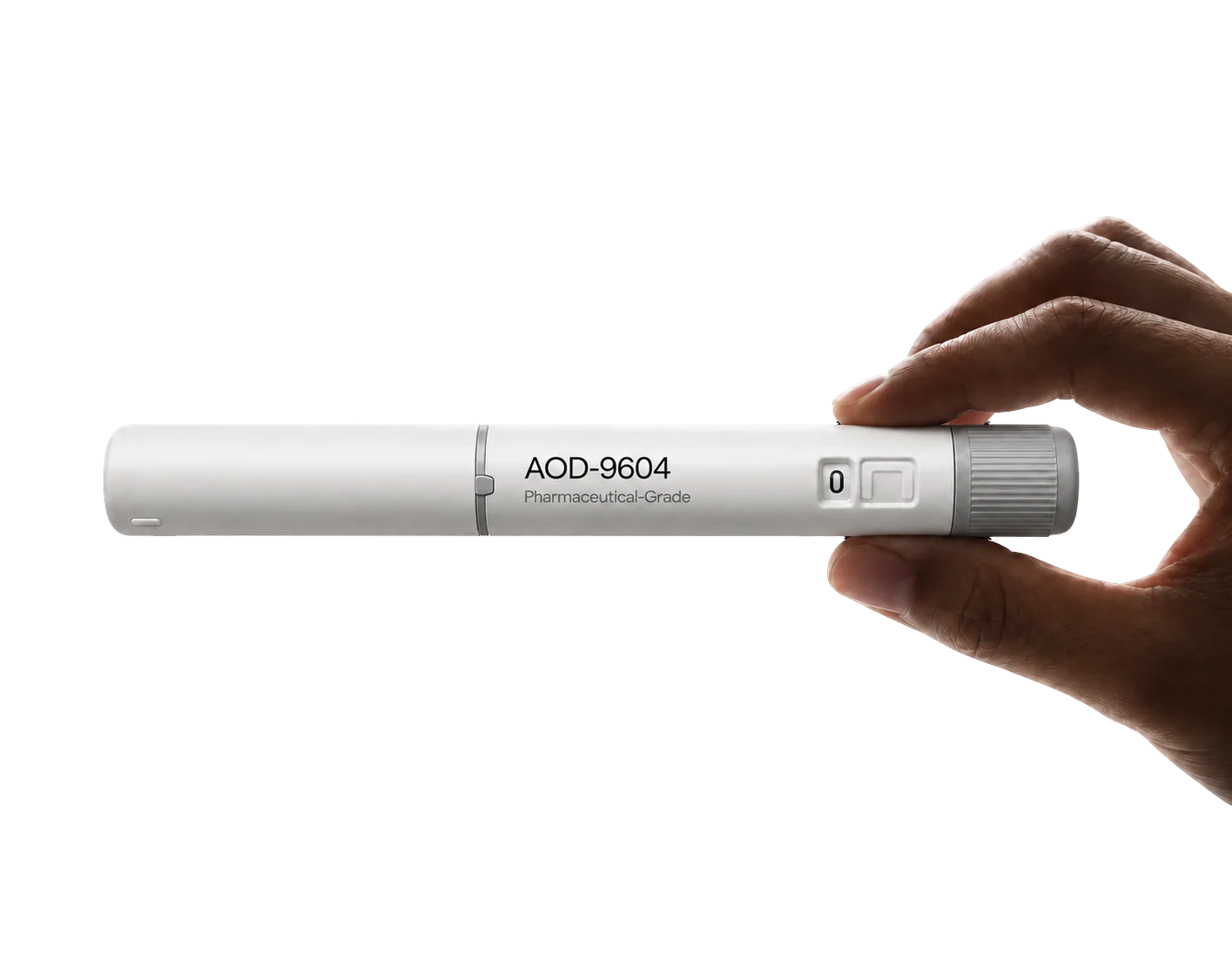
Peptide care · Pen
Human trials explored tolerability and weight outcomes. The larger weight-loss study did not establish efficacy.
Suitability reviewed by a UAE-licensed physician
Confirm the dispensing pharmacy and preparation before treatment
Completing an assessment does not guarantee a prescription
Formats reflect the supplied catalog, not a prescription or confirmation of availability. Health topics describe scientific interest, not approved indications. Read the specific studies and preparation limits.
The role of this peptide
The metabolic category reflects what investigators tested. It does not imply that AOD-9604 has demonstrated weight-loss benefits.
The development program tested weight outcomes. The larger trial did not show statistically significant weight loss, limiting claims based on earlier signals.
Read the publication
A report summarized oral and intravenous trial safety data. It does not establish long-term safety or efficacy of a subcutaneous preparation.
Read the publicationSafety & suitability
Tolerability in oral and intravenous trials does not establish long-term subcutaneous safety. FDA has identified concerns and limited safety information.
Suitability depends on the specific preparation, intended use and clinical assessment. Product authorization must be verified separately from facility licensing.
The evidence
The larger weight-loss trial did not find a statistically significant benefit. Earlier signals do not establish that the listed injections help with weight loss.
Healthy adults and adults with obesity · Oral and intravenous
A safety-focused report does not establish weight-loss efficacy or the safety of a different route.
Includes a 536-participant obesity trial · Primarily oral trials
The larger trial did not demonstrate statistically significant weight loss. Early positive findings should not be presented alone.
The reviewed human trials primarily used oral or intravenous administration. They do not validate a subcutaneous pen or vial for fat loss.
Reviewed September 15, 2026. Selected publications, not a systematic review. Findings do not establish product authorization.
Our review approachFor your consultation
Three questions to help you discuss AOD-9604. Your clinician decides which preparation, checks and follow-up are relevant.
The preparation
What is the exact ingredient, formulation and strength, and how would it be used?
Your assessment
Would blood glucose, HbA1c or a lipid profile help assess my weight-related health concerns?
Your follow-up
What would count as a meaningful benefit, when would we review it, and which side effects should I report?
These questions are not a dosing schedule or a required test panel. Your clinician individualizes the plan.
A peptide name is only the beginning. The preparation, clinical need and available evidence all matter to the decision.

Medical Director & Physician, DarDoc

Physician, DarDoc
Discuss the symptoms or diagnosis behind your interest in a peptide, alongside current medicines and previous treatment.
Consider the evidence for its route and intended use, its regulatory status, and established treatment alternatives.
Discuss potential benefits, uncertainties and risks. A prescription is considered only when clinically appropriate and permitted.
If treatment is prescribed, agree on monitoring, side effects to report and when to reassess the plan.
SCOPE credentials shown relate to obesity medicine, not peptide-specific certification. The treating physician is confirmed at booking.
A few things to know
Your physician reviews your symptoms, history, current medicines and goals. The discussion should include the specific evidence, risks, alternatives and a follow-up plan before any treatment decision.
The reviewed human trials primarily used oral or intravenous administration. They do not validate a subcutaneous pen or vial for fat loss.
Tolerability in oral and intravenous trials does not establish long-term subcutaneous safety. FDA has identified concerns and limited safety information.
Prescription treatment is considered only after clinical assessment. Browsing a format does not select a dose, determine eligibility or guarantee a prescription.
Continue exploring
Explore other compounds discussed in these health topics, with the evidence for each.
 DarDoc peptides
Recovery · Metabolism
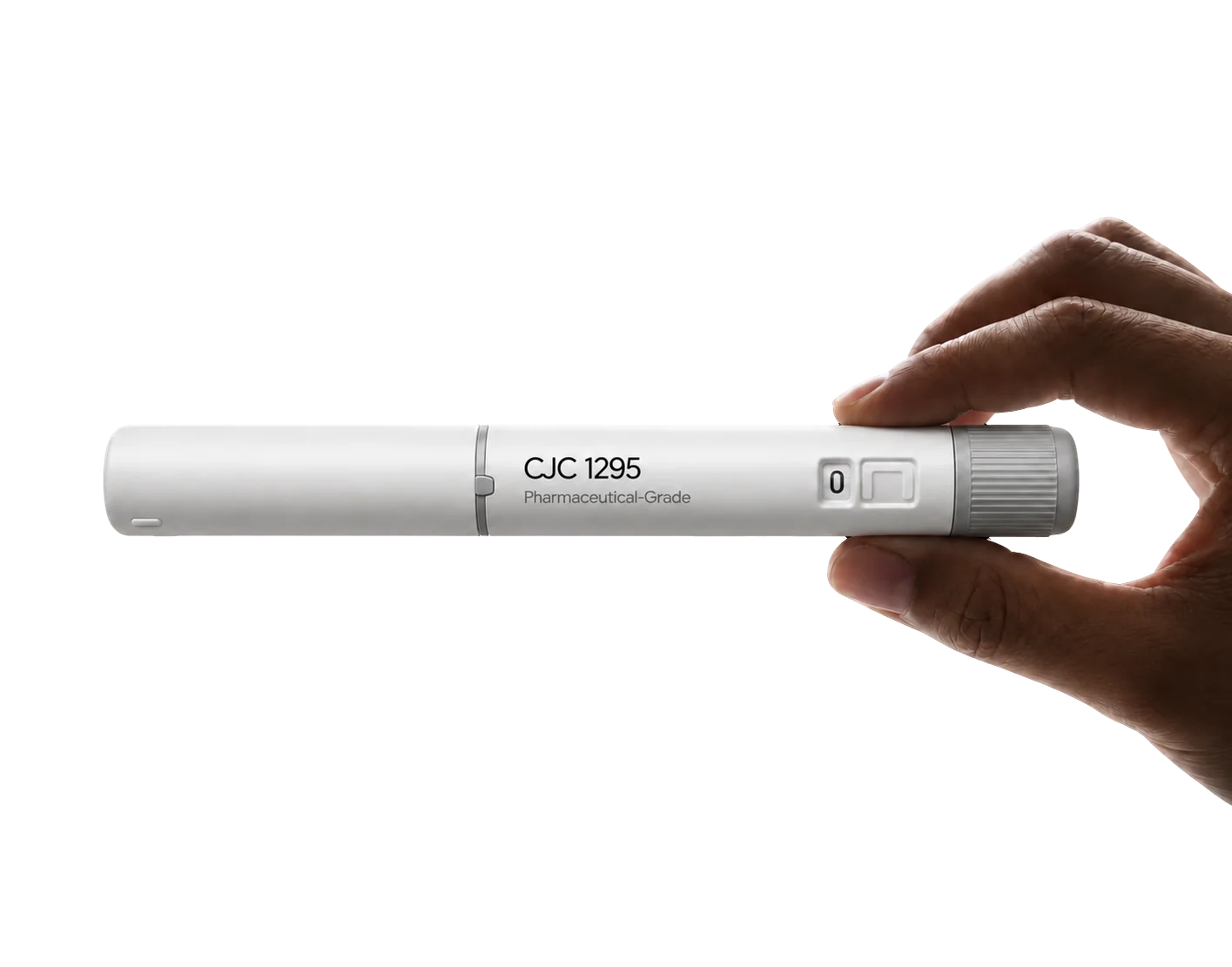
Controlled studies show that long-acting CJC-1295 can increase growth hormone and IGF-1 levels in healthy adults.
 DarDoc peptides
Recovery · Metabolism
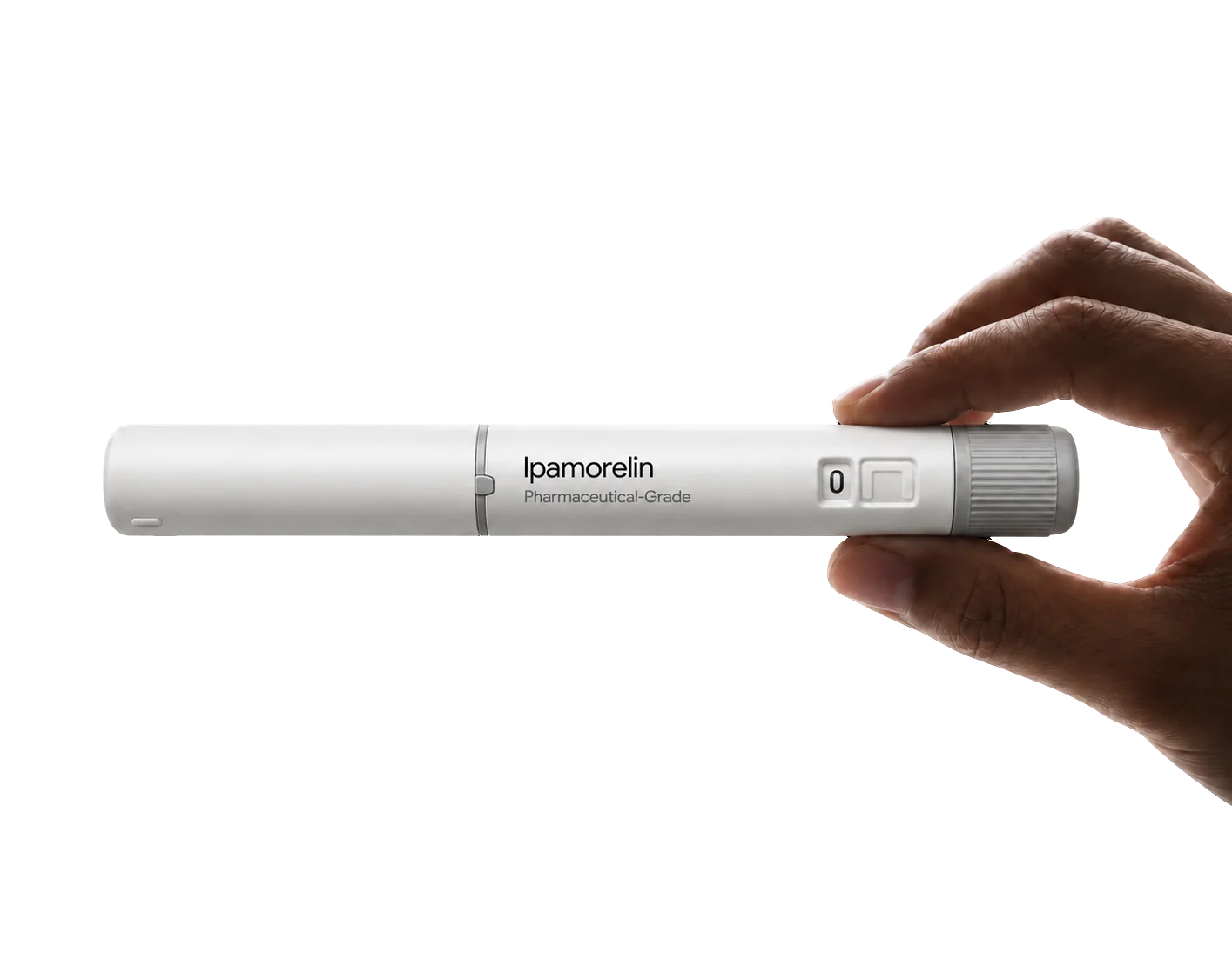
Human studies measured growth-hormone release. A trial after bowel surgery did not establish faster recovery of eating.
 DarDoc peptides
Recovery · Metabolism
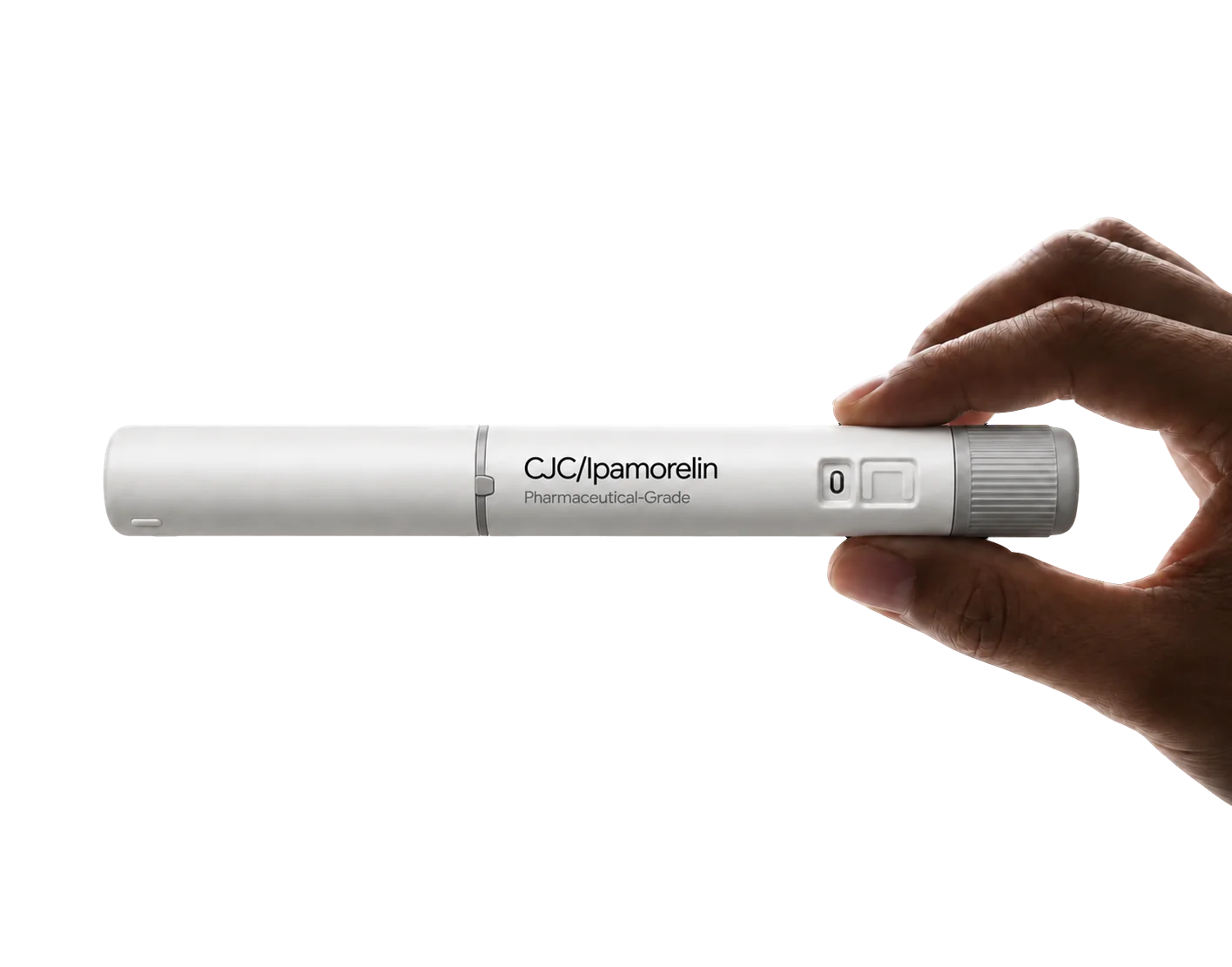
Both ingredients affect growth-hormone signaling. That mechanism does not establish the benefits of a combined preparation.
Bring your questions
Want to understand where AOD-9604 fits? Discuss the evidence, your health history and the options with DarDoc.