Wound care
A topical study in diabetic ulcers reported improved healing measures alongside wound care. This concerns diagnosed wounds, not general skin rejuvenation.
Read the publication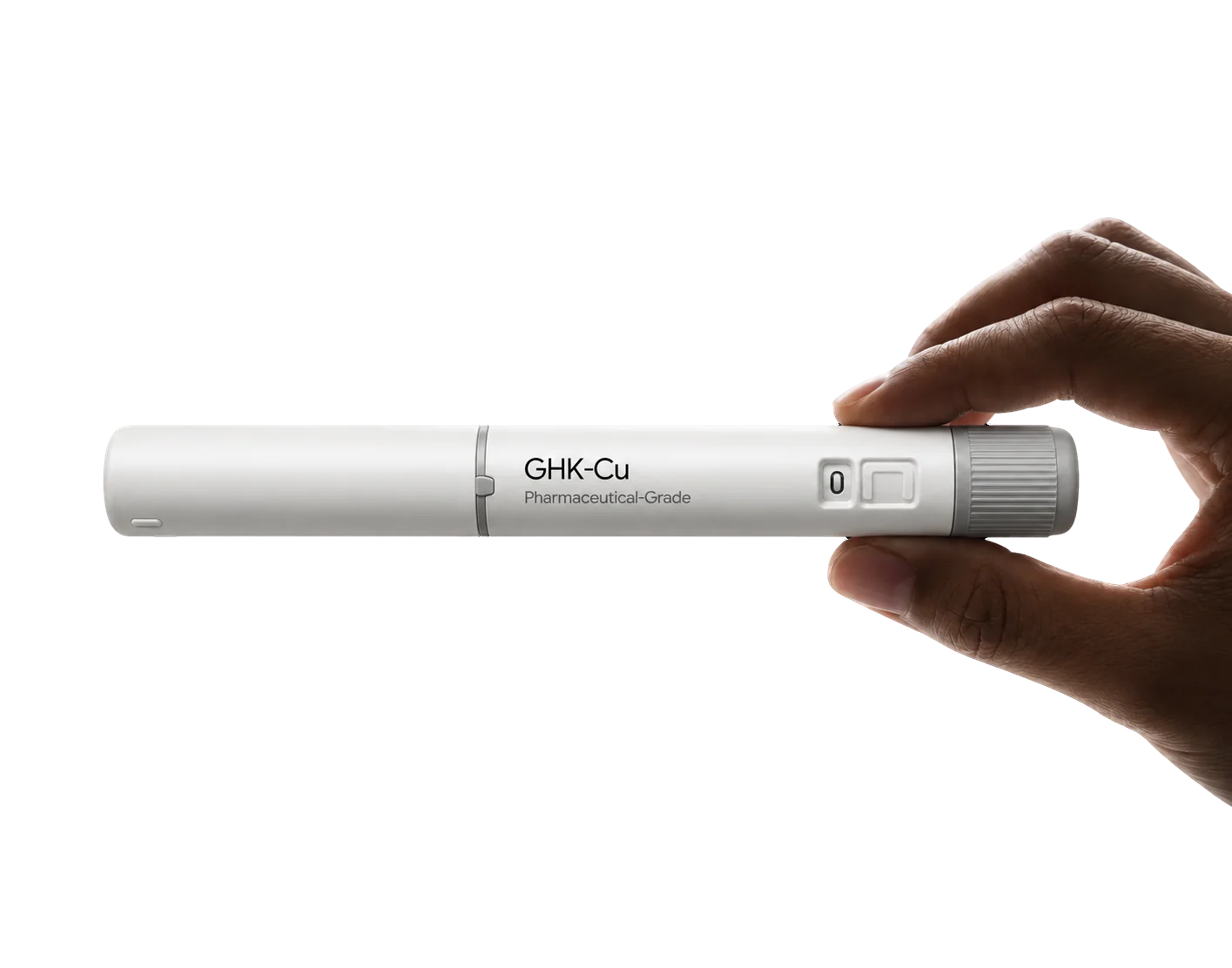
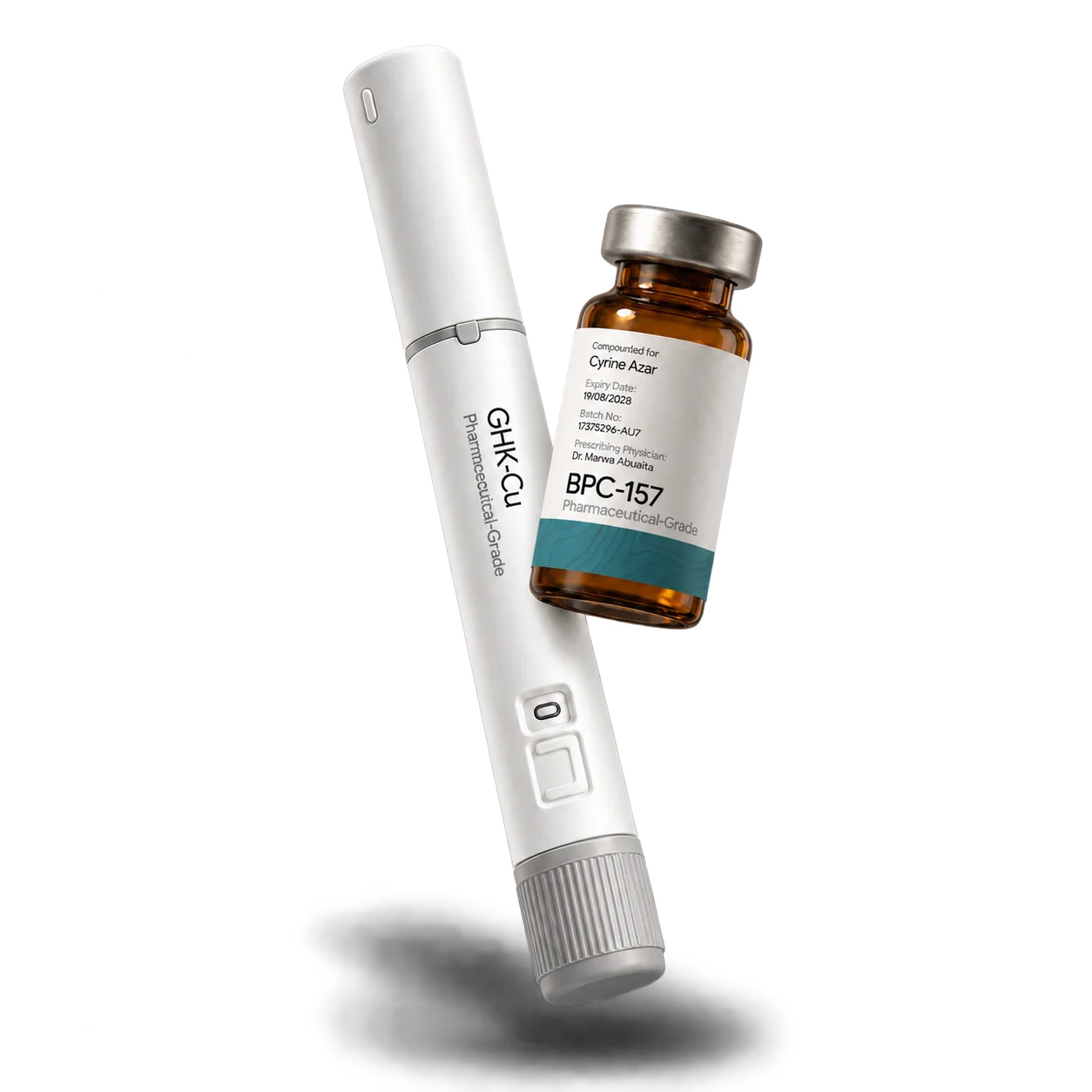
Peptide care · Pen
Topical copper-peptide studies include encouraging findings in diabetic wound care, with a different evidence picture for cosmetic skin treatments.
Suitability reviewed by a UAE-licensed physician
Confirm the dispensing pharmacy and preparation before treatment
Completing an assessment does not guarantee a prescription
Formats reflect the supplied catalog, not a prescription or confirmation of availability. Health topics describe scientific interest, not approved indications. Read the specific studies and preparation limits.
The role of this peptide
The most direct human evidence here concerns topical use and wound healing, not injectable skin rejuvenation or hair growth.
A topical study in diabetic ulcers reported improved healing measures alongside wound care. This concerns diagnosed wounds, not general skin rejuvenation.
Read the publication
A small study after laser resurfacing found better patient-reported skin quality. Objective wrinkle and redness measures did not show a significant benefit.
Read the publicationSafety & suitability
The evidence for topical preparations does not establish injectable safety. FDA highlights limited human safety information for injectable GHK-Cu.
Suitability depends on the specific preparation, intended use and clinical assessment. Product authorization must be verified separately from facility licensing.
The evidence
Most of the relevant human research concerns products applied to the skin. It does not establish the same result for injections, scalp foam or a different serum.
Patients with diabetic ulcers · Topical, alongside wound care
The results concern diagnosed ulcers and a particular topical preparation, not general anti-aging or injection use.
13 participants completed · Topical after laser resurfacing
Objective wrinkle and redness measures did not show a significant benefit in this small study.
Topical wound-care results cannot be transferred to an injectable pen or vial, or to a different serum or scalp foam. AHK-Cu hair studies concern a different peptide.
Reviewed September 15, 2026. Selected publications, not a systematic review. Findings do not establish product authorization.
Our review approachFor your consultation
Three questions to help you discuss GHK-Cu. Your clinician decides which preparation, checks and follow-up are relevant.
The preparation
Which preparation has evidence for my specific skin or scalp concern? Do those findings apply to the proposed format?
Your assessment
How does the safety review differ for a skin product, scalp foam and an injection?
Your follow-up
What would count as a meaningful benefit, when would we review it, and which side effects should I report?
These questions are not a dosing schedule or a required test panel. Your clinician individualizes the plan.
A peptide name is only the beginning. The preparation, clinical need and available evidence all matter to the decision.

Medical Director & Physician, DarDoc

Physician, DarDoc
Discuss the symptoms or diagnosis behind your interest in a peptide, alongside current medicines and previous treatment.
Consider the evidence for its route and intended use, its regulatory status, and established treatment alternatives.
Discuss potential benefits, uncertainties and risks. A prescription is considered only when clinically appropriate and permitted.
If treatment is prescribed, agree on monitoring, side effects to report and when to reassess the plan.
SCOPE credentials shown relate to obesity medicine, not peptide-specific certification. The treating physician is confirmed at booking.
A few things to know
Your physician reviews your symptoms, history, current medicines and goals. The discussion should include the specific evidence, risks, alternatives and a follow-up plan before any treatment decision.
Topical wound-care results cannot be transferred to an injectable pen or vial, or to a different serum or scalp foam. AHK-Cu hair studies concern a different peptide.
The evidence for topical preparations does not establish injectable safety. FDA highlights limited human safety information for injectable GHK-Cu.
Prescription treatment is considered only after clinical assessment. Browsing a format does not select a dose, determine eligibility or guarantee a prescription.
Continue exploring
Explore other compounds discussed in these health topics, with the evidence for each.
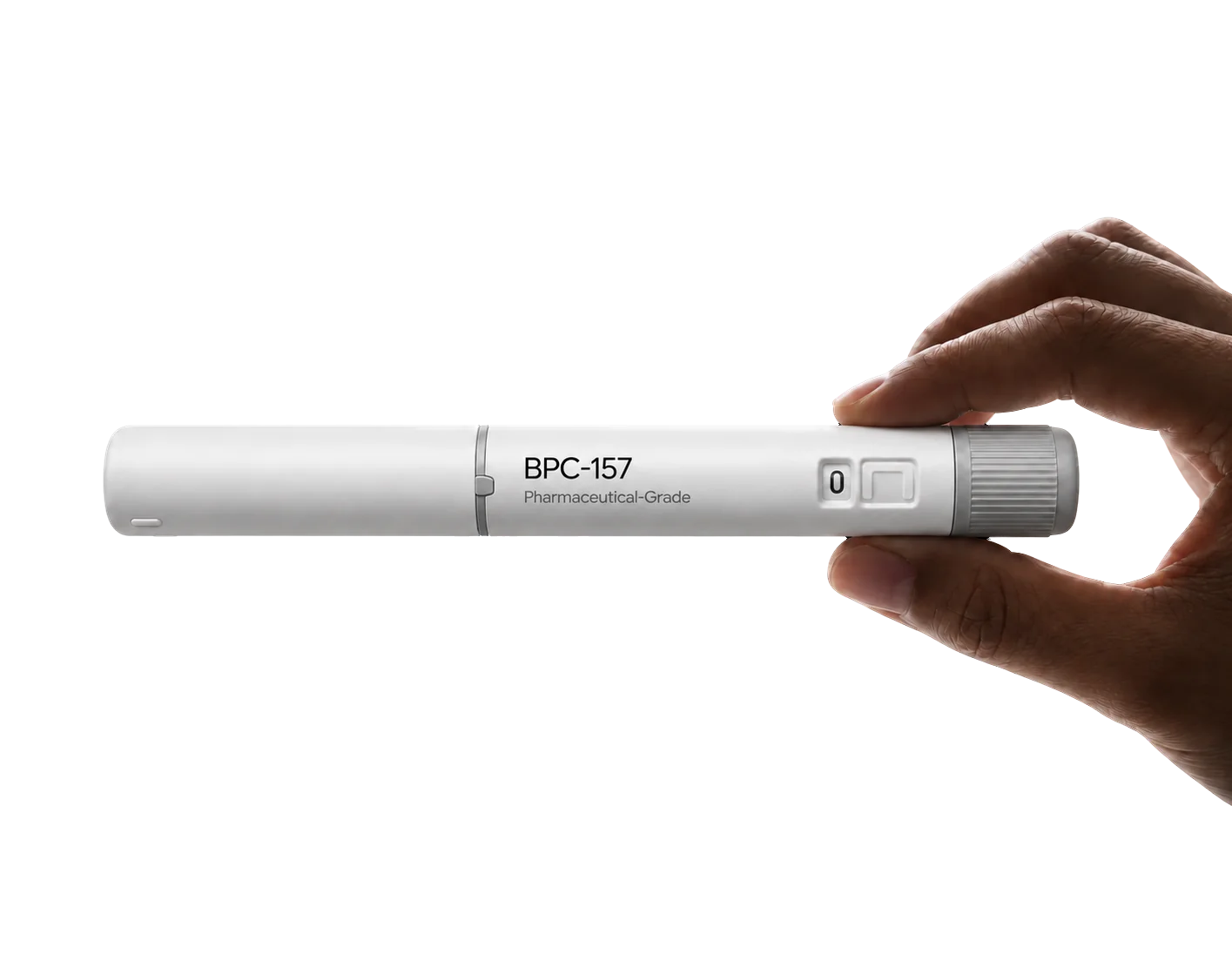 DarDoc peptides
Recovery · Skin & hair · Digestive health
Early human reports describe improvements in specific pain and bladder conditions. The preparation and treatment site matter.
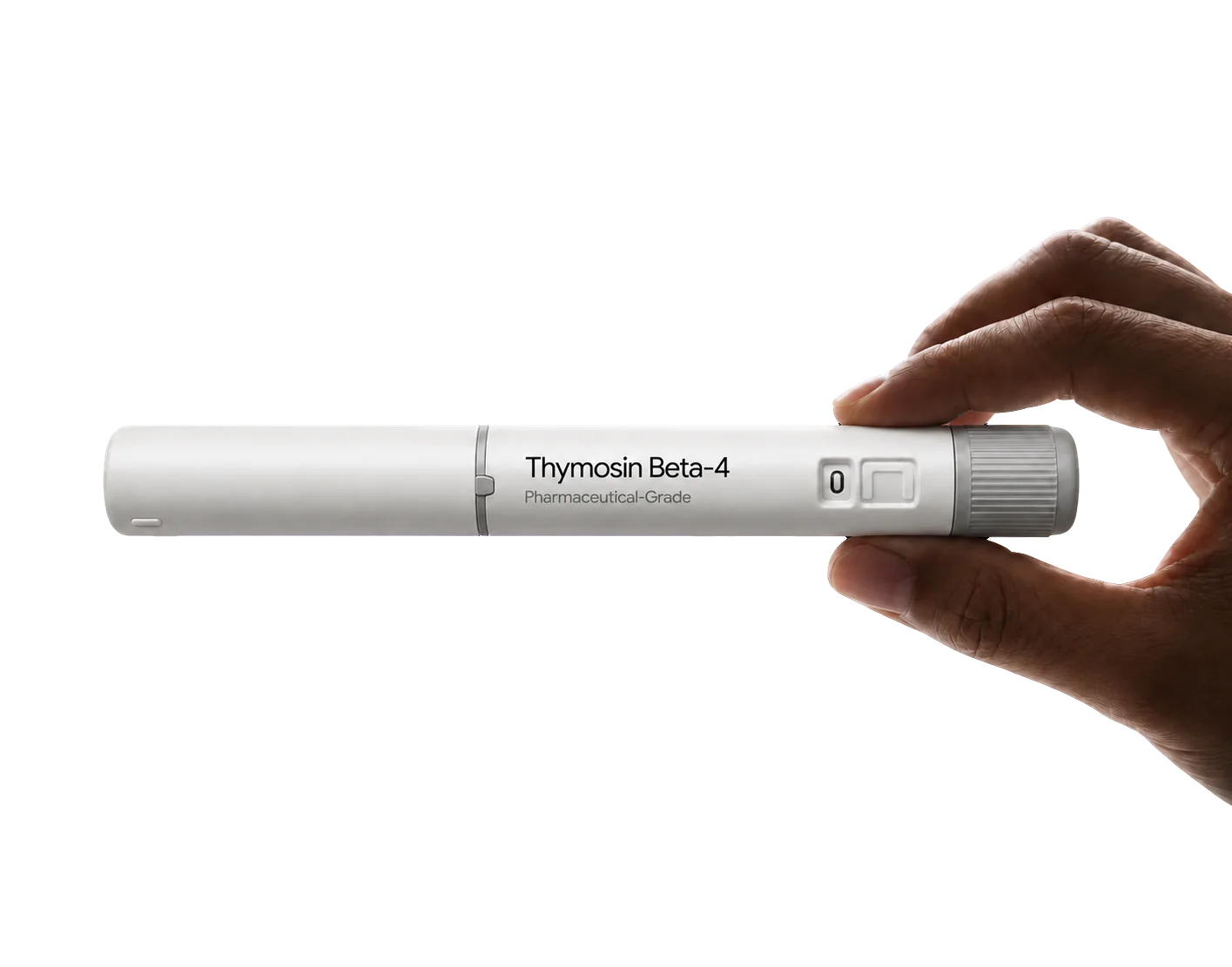 DarDoc peptides
Recovery · Skin & hair
The studies reviewed here examined wound healing and short-term tolerability. Their findings apply to the preparations and outcomes studied.
Bring your questions
Want to understand where GHK-Cu fits? Discuss the evidence, your health history and the options with DarDoc.