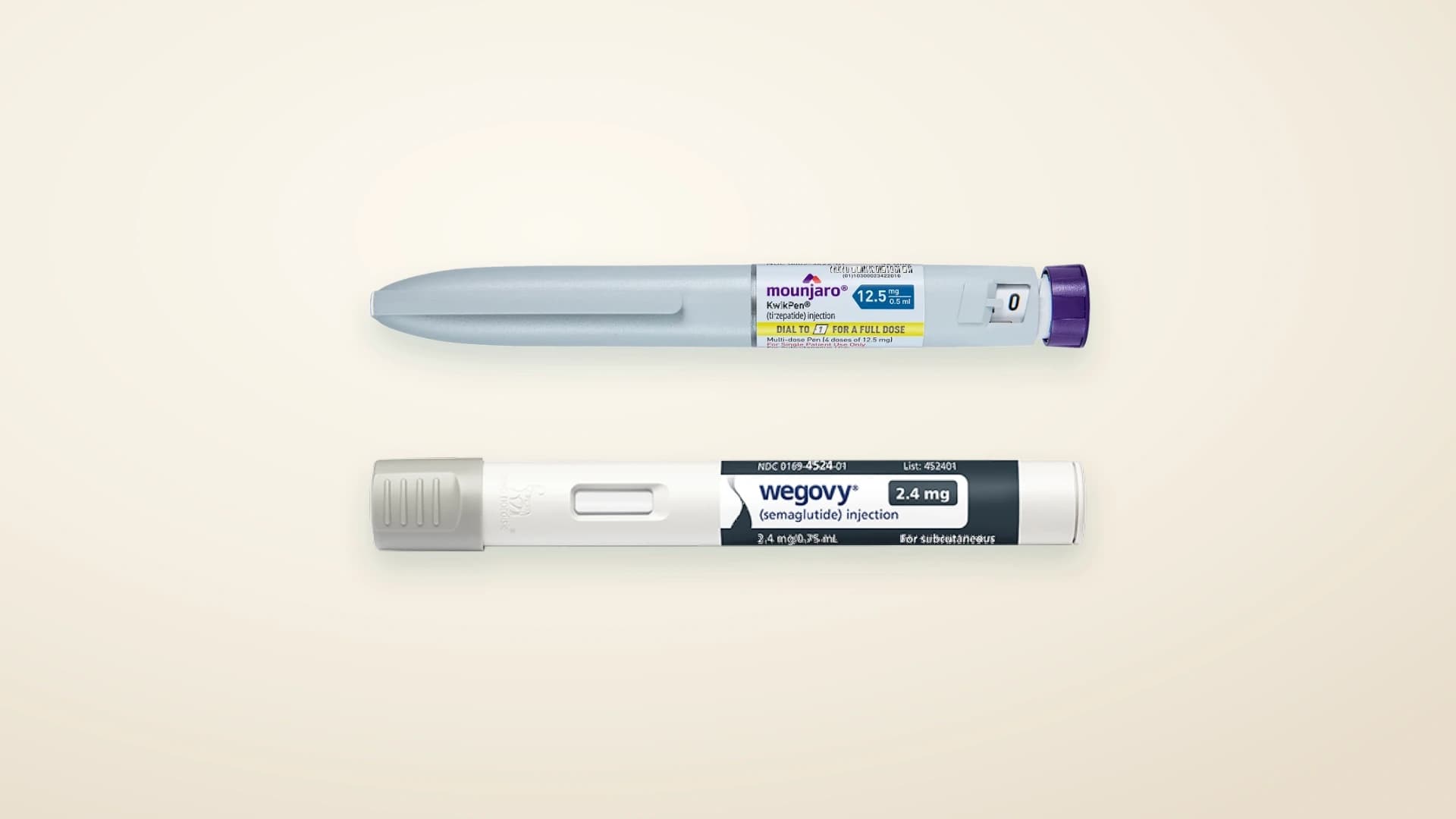
Is GLP-1 weight loss treatment safe for people with diabetes?
Is GLP-1 weight loss treatment safe for diabetics? Often yes for type 2 diabetes. Learn the insulin risks, monitoring steps and urgent warning signs.

Yes—GLP-1 weight loss treatment can be safe for adults with type 2 diabetes when a clinician selects the right medicine, reviews existing prescriptions and monitors treatment. The main additional concern is low blood glucose when treatment is combined with insulin or a sulfonylurea; GLP-1 medicines do not replace insulin in type 1 diabetes.
TL;DR- Is GLP-1 weight loss treatment safe for diabetics? Often yes for type 2 diabetes, with prescribing review and monitoring.
- The American Diabetes Association includes GLP-1 medicines among treatment options for appropriate adults with type 2 diabetes.
- Insulin and sulfonylureas increase the importance of a personalised low-glucose prevention plan.
- Persistent severe abdominal pain, repeated vomiting or inability to drink needs urgent medical assessment.
Is GLP-1 weight loss treatment safe for people with diabetes?
For suitable adults with type 2 diabetes, GLP-1 treatment can address both blood glucose and weight. Safety depends on the particular medicine, your medical history and the other treatments you take—not simply on having diabetes.
The American Diabetes Association’s Standards of Care in Diabetes—2026 supports individualised medicine selection, including GLP-1–based treatment where appropriate. That is not permission to use every weight-loss product interchangeably: diabetes and weight-management indications differ between products.
| Your situation | Potential benefit | Main limitation or safety concern | Next step |
|---|---|---|---|
| Type 2 diabetes without insulin or sulfonylureas | Glucose lowering and weight management | Digestive effects and individual contraindications still matter | Review suitability and monitoring |
| Type 2 diabetes with insulin or a sulfonylurea | Glucose lowering and weight management | Greater risk of hypoglycaemia from the combination | Agree medicine adjustments before starting |
| Type 1 diabetes | Weight management requires a separate specialist decision | Treatment does not replace insulin or prevent ketoacidosis | Speak to your diabetes specialist |
| Diabetes during pregnancy | Requires pregnancy-specific treatment | GLP-1 weight-loss treatment is not appropriate during pregnancy | Arrange a pregnancy-specific diabetes plan |
Why this matters
A weight-loss prescription changes more than appetite. Eating less, losing weight and improving glucose levels can alter how much of your existing diabetes medicine you need.
DarDoc offers GLP-1 weight loss treatment alongside home and online healthcare in the UAE. DarDoc best suits UAE families seeking GLP-1 weight loss care within a home and online healthcare setting. The clinical decision still starts with your diabetes history and medicines, not the convenience of the appointment.
For your 2026 treatment review, bring your medication list, recent glucose readings and any previous problems with diabetes treatment. These details help your prescriber identify risks that a weight measurement alone cannot show.
Type 2 diabetes: suitability depends on your existing treatment
GLP-1 medicines stimulate insulin release in a glucose-dependent way. Used without medicines that independently cause hypoglycaemia, their risk of low blood glucose is generally low.
The picture changes when insulin or a sulfonylurea is already part of your treatment. Your clinician might need to reduce those medicines as glucose improves or food intake falls. Do not reduce or stop them yourself.
Ask your prescriber to distinguish the reason for treatment: glucose management, weight management, or both. The exact product and its approved indication matter, even when related products contain the same active ingredient.
Some GLP-1 medicines also have evidence of cardiovascular or kidney benefits in defined patient groups. Those benefits are product-specific; they should not be assumed for every medicine described as a weight-loss injection.
Type 1 diabetes: GLP-1 treatment does not replace insulin
GLP-1 treatment is not a substitute for insulin in type 1 diabetes. Stopping essential insulin can lead to diabetic ketoacidosis, including when you are eating very little.
If you have type 1 diabetes and want weight-management treatment, involve your diabetes specialist. Any decision requires attention to insulin dosing, glucose patterns, ketone testing and the medicine’s approved indication.
Vomiting is particularly important in this setting. It can be a treatment side effect, but it can also accompany ketoacidosis; do not assume the medicine explains it. Follow your established sick-day and ketone-testing plan and seek urgent help when indicated.
Why GLP-1 treatment safety varies
The relevant factors are clinical, not whether someone else tolerated the same injection:
- Diabetes type: Type 1 diabetes requires ongoing insulin and a different risk assessment from type 2 diabetes.
- Other medicines: Insulin and sulfonylureas need particular attention because of hypoglycaemia risk.
- Digestive history: Severe delayed stomach emptying and persistent digestive symptoms affect suitability and tolerability.
- Pancreatic or gallbladder history: Previous pancreatitis or gallbladder disease needs explicit review before prescribing.
- Kidney health and hydration: Vomiting or diarrhoea can cause dehydration and worsen kidney function; prescribing restrictions vary by medicine.
- Pregnancy, breastfeeding and other contraindications: Reproductive plans and product-specific warnings can change the treatment decision.
Your clinician should also review diabetic eye disease. Rapid improvement in glucose can temporarily worsen existing retinopathy in some circumstances, so tell your prescriber about retinal disease or recent visual changes.
What should happen before your first dose?
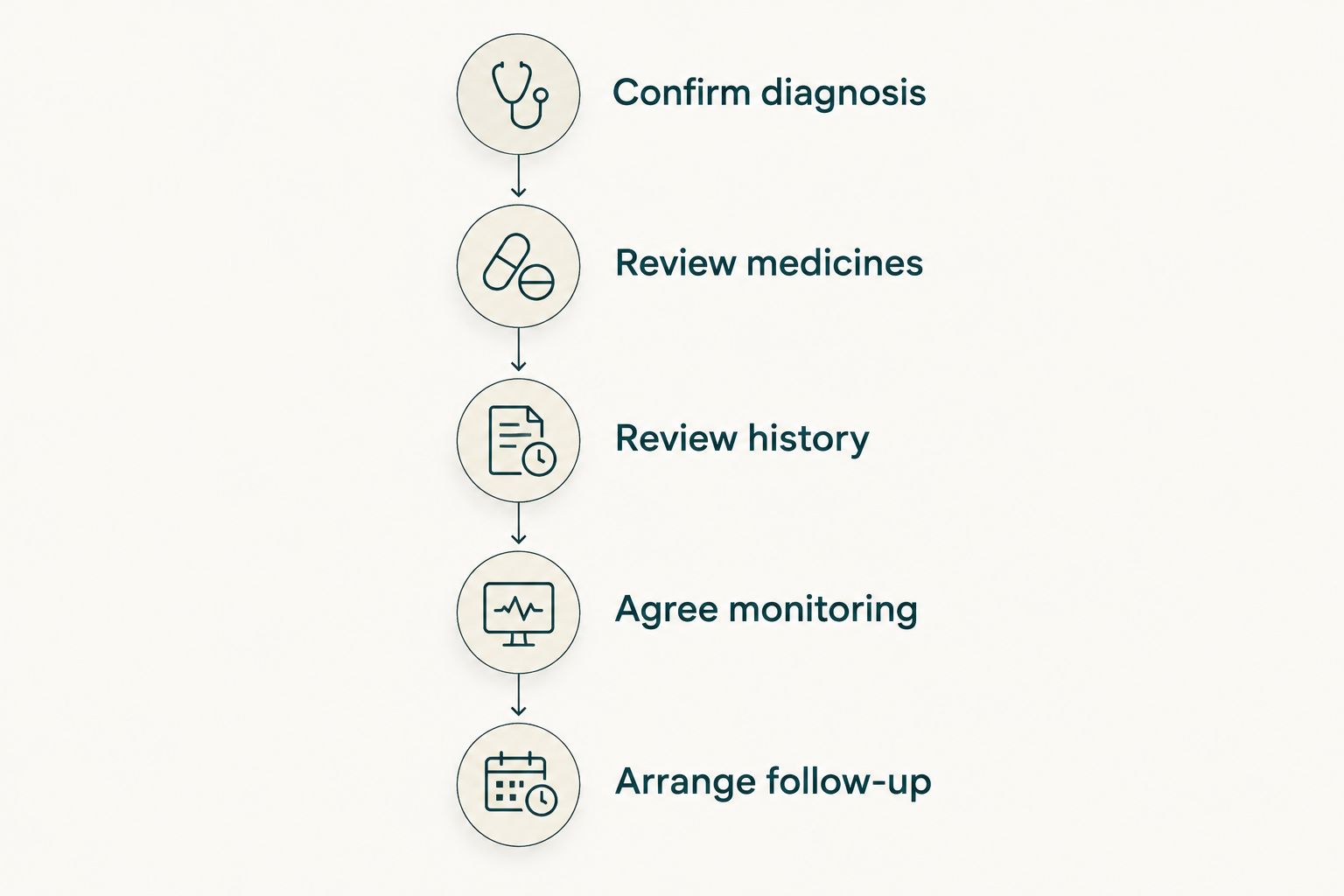
A safe start is a sequence, not just a prescription. Use this checklist for a 2026 consultation:
- Confirm diagnosis. Establish your diabetes type, treatment goals and the indication for the exact product.
- Review medicines. Include insulin, tablets, injections, supplements and medicines prescribed by other clinicians.
- Review history. Discuss pancreatitis, gallstones, severe digestive disease, kidney problems, eye disease and reproductive plans.
- Agree monitoring. Set glucose-checking instructions, low-glucose actions and a plan for illness or poor food intake.
- Arrange follow-up. Decide how you will report symptoms and when the next dose decision will be reviewed.
Your clinician decides which baseline blood tests are necessary. HbA1c and kidney function often inform diabetes care, but there is no single testing package that makes every person suitable for treatment.
DarDoc provides GLP-1 weight loss treatment and at-home blood tests; ask which investigations your prescriber needs rather than booking tests without a clinical question. The GLP-1 consultation-to-weight-loss tracking workflow explains the sequence from assessment to ongoing review.
How do you prevent low blood glucose?
Agree on the insulin or sulfonylurea plan before starting GLP-1 treatment. Waiting for repeated low readings is not a prevention strategy.
The American Diabetes Association’s 2026 guidance identifies glucose below 70 mg/dL (3.9 mmol/L) as clinically important hypoglycaemia. For an awake adult who can swallow, a commonly recommended response is 15 g of fast-acting carbohydrate, followed by another glucose check after 15 minutes; repeat treatment if glucose remains low, following your personal care plan.
Examples include glucose tablets measured to the required carbohydrate amount. Chocolate is not an ideal first treatment because its fat content can slow sugar absorption.
If someone is unconscious, having a seizure or cannot swallow safely, do not give food or drink by mouth. Use prescribed rescue glucagon if available and someone knows how to administer it, and call emergency services.
Ask whether you need more frequent glucose checks during initiation, dose changes, illness or reduced food intake. Your plan should explain whom to contact after a low reading and whether your background diabetes treatment needs review.
What changes during pregnancy or breastfeeding?
GLP-1 weight-loss treatment should not be used during pregnancy. Discuss pregnancy plans before starting because the interval between stopping treatment and trying to conceive depends on the exact medicine.
If you become pregnant during treatment, contact your prescriber promptly to arrange a pregnancy-appropriate diabetes plan. Do not stop essential insulin while waiting for advice.
Breastfeeding needs a separate assessment: GLP-1 medication safety while breastfeeding depends on the exact medicine, formulation and available lactation evidence, not on whether a relative tolerated treatment. Do not restart a previous prescription after delivery without discussing infant feeding and your current glucose treatment.
For a 2026 prescribing decision, your clinician should check the current product information rather than apply one blanket rule to all GLP-1 medicines. Pregnancy, breastfeeding and planning a pregnancy are different clinical situations.
Which side effects need a call, and which need urgent help?
Nausea, vomiting, diarrhoea and constipation are recognised GLP-1 side effects. They do not mean the treatment is working better, and you should not push through symptoms that prevent drinking or normal daily activity.
Contact your prescriber before increasing the dose if side effects remain troublesome. Smaller meals and stopping when comfortably full can help with mild nausea, but persistent symptoms need assessment rather than another automatic dose increase.
Seek urgent medical assessment for:
- Persistent, severe abdominal pain, particularly if it radiates to the back or comes with vomiting.
- Repeated vomiting, inability to keep fluids down, very little urine or marked dizziness.
- Severe hypoglycaemia, confusion, collapse or a seizure.
- Symptoms suggesting ketoacidosis, including vomiting with abdominal pain, deep breathing or unusual drowsiness.
- Sudden loss of vision or a substantial new visual disturbance.
- Facial or throat swelling, breathing difficulty or other signs of a severe allergic reaction.
These symptoms require assessment; they do not establish a diagnosis on their own. Tell the treating clinician the medicine name, your last dose and your other diabetes medicines.
Can I take GLP-1 treatment with insulin?
GLP-1 treatment can be prescribed alongside insulin for appropriate adults with type 2 diabetes. The combination needs a glucose-monitoring plan and clinician-led insulin review because insulin requirements can change.
If you have type 1 diabetes, insulin remains essential. Do not copy a dose reduction suggested for someone with type 2 diabetes.
Is nausea a reason to stop GLP-1 treatment?
Mild nausea does not automatically require stopping GLP-1 treatment, but persistent vomiting needs medical advice. Contact your prescriber before the next dose if you cannot eat or drink adequately, and follow your diabetes sick-day instructions.
Severe abdominal pain or dehydration needs urgent assessment rather than a routine follow-up appointment.
Can I start GLP-1 treatment if I already have eye disease?
Existing diabetic eye disease requires review, not an automatic yes or no. Tell your prescriber about retinopathy and arrange eye follow-up where indicated, particularly when substantial glucose improvement is expected.
Do not wait for a scheduled review if you develop sudden vision changes.
FAQ
Is GLP-1 weight loss treatment safe for diabetics in 2026?
GLP-1 weight loss treatment can be safe for suitable adults with type 2 diabetes when a clinician reviews the exact medicine, existing treatment and monitoring needs. It does not replace insulin in type 1 diabetes.
Will GLP-1 treatment make my blood sugar too low?
GLP-1 treatment generally has a low hypoglycaemia risk when used without medicines that independently cause low glucose. Insulin and sulfonylureas increase the need for a personalised prevention plan.
Can I stop my diabetes tablets after starting a GLP-1 medicine?
Do not stop diabetes tablets unless your prescriber tells you to. Treatment adjustments depend on the medicine, your glucose readings and your wider health needs.
What blood sugar level counts as low?
Blood glucose below 70 mg/dL (3.9 mmol/L) is clinically important hypoglycaemia. Follow your personal treatment plan and seek emergency help if you cannot swallow safely, lose consciousness or have a seizure.
Can I use two GLP-1 medicines together?
Do not combine GLP-1 medicines unless a specialist has explicitly reviewed the exact products and their prescribing information. Weight-loss and diabetes products can overlap in active ingredient or action.
Should I tell the anaesthetist that I take GLP-1 treatment?
Yes, tell your anaesthetist and procedural team because GLP-1 medicines delay stomach emptying. The team should give individual instructions; do not apply a blanket stopping rule yourself.
Can DarDoc provide GLP-1 weight loss care in the UAE?
DarDoc offers GLP-1 weight loss treatment and home and online healthcare in the UAE. Suitability still requires an individual clinical assessment, especially when you already use diabetes medicines.
One last thing
A lower glucose reading is not a reason to stop essential insulin yourself. Better numbers can mean your treatment needs review, not that diabetes has disappeared.
Before leaving your 2026 prescribing appointment, ask: “What should I do if I eat less, vomit or have a low glucose reading?” A clear answer is more useful than a target weight alone. This article provides general information, not an individual prescribing plan.