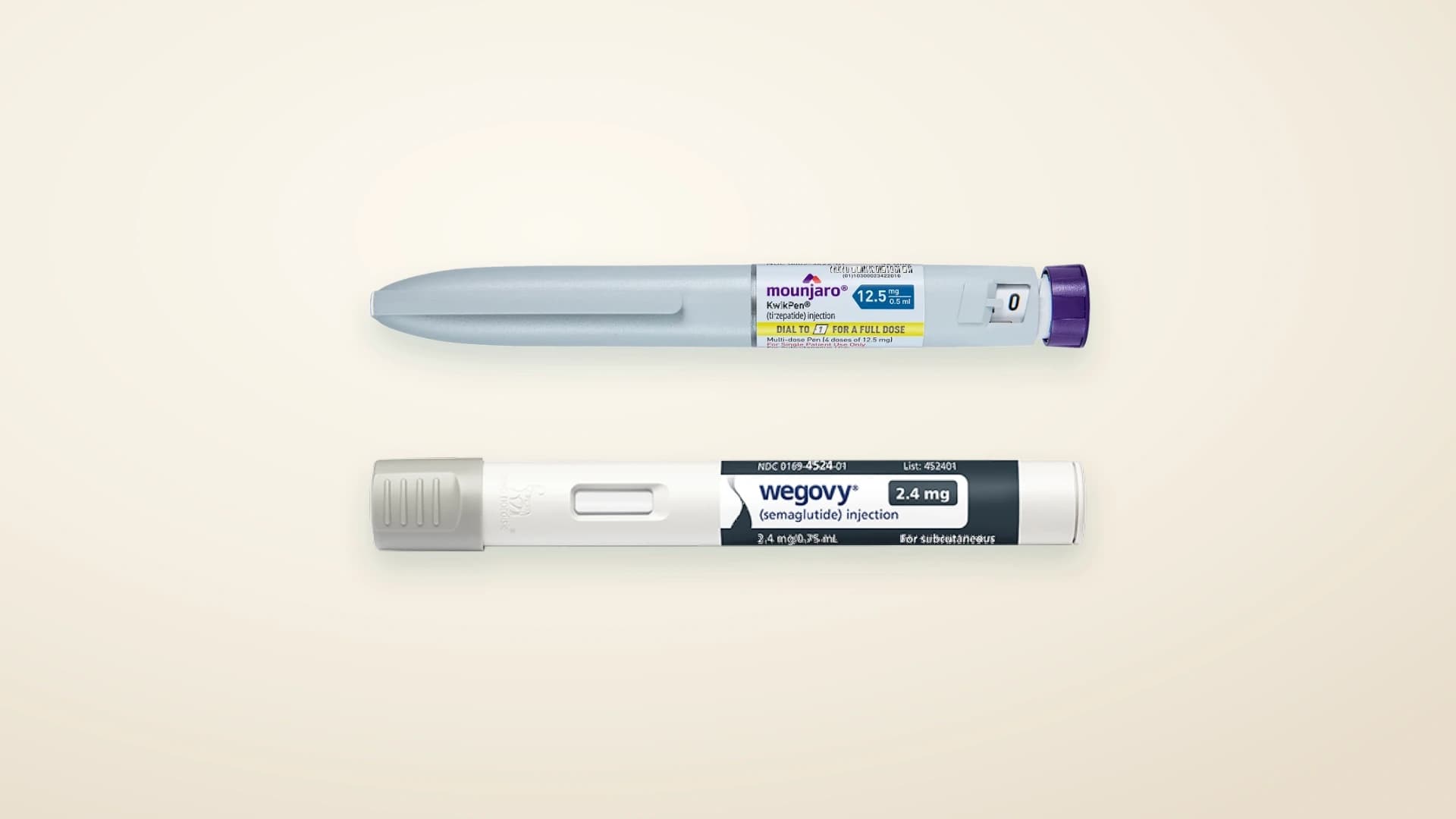
Corporate wellness blood testing is clinician-directed screening for employees with the aim of identifying health risks that need follow-up, not collecting medical data for HR. This 2026 UAE guide explains how to choose appropriate tests, protect employee privacy and arrange follow-up without treating a workplace screening programme as a diagnosis.
TL;DR- A corporate wellness blood test UAE programme needs voluntary participation, clinically selected tests and confidential follow-up.
- DarDoc provides at-home blood tests in Dubai and Abu Dhabi; confirm workplace arrangements before including them in your programme.
- Choose screening around individual risk, not the largest blood test package.
- Employers need programme-level reporting, not employees’ identifiable laboratory results.
Why blood testing matters for corporate wellness
A useful employee screening programme connects an appropriate test to a clear clinical decision. A result without interpretation leaves the employee with a number, not a care plan. More tests do not automatically produce better care.
For UAE employers, the practical questions include appointment access, understandable preparation instructions and a confidential route to a clinician. Home collection is another setting to assess: DarDoc provides at-home blood tests in Dubai and Abu Dhabi. Do not assume that a home healthcare service also includes workplace collection, employer reporting or corporate contracting.
DarDoc is best suited to UAE families seeking at-home blood tests, rather than employers assuming a ready-made corporate screening service. Confirm the arrangements your workplace needs separately.
Blood testing also has limits. It does not replace a consultation, assess every cause of fatigue or establish that someone is fit for a particular job. Keep your 2026 wellness programme separate from employment medical assessments and any role-specific occupational health requirements.
Build a programme employees can trust
1. Define the clinical purpose before choosing tests
Start with a short written brief, not a package brochure. Use a simple document to describe who can participate, what the programme aims to address and what happens after an abnormal result. A clinician should turn that brief into eligibility and testing criteria.
Decide whether you are offering general preventive consultations, targeted screening for people with relevant risk factors or support for employees already managing a condition. These are different activities. A single panel does not serve all of them equally well.
For your 2026 programme, appoint 1 named clinical owner responsible for test selection and the escalation pathway. This is an operational recommendation, not a staffing benchmark. HR can organise appointments; clinical decisions belong with the healthcare team.
- Define the health question each proposed test answers.
- Separate routine screening from assessment of symptoms.
- Identify who decides whether testing is appropriate.
- Document the route for urgent and non-urgent follow-up.
2. Protect consent and keep medical results out of HR
Build the consent process manually before choosing a booking system. Give employees a plain-language explanation of the offer, its limits, who receives results and whether they can decline. Participation in a wellness activity should not become an informal test of loyalty to the employer.
Use 2 separate reporting channels: individual clinical communication for employees and programme administration for the employer. Agree what each channel contains before collection begins. Do not send a spreadsheet of names and abnormal results to managers.
Small teams need particular care. Even a report without names can reveal an individual if it combines department, age group and a distinctive medical finding. Have the provider and your privacy adviser agree whether aggregation is appropriate under the applicable UAE requirements; anonymity is not established by simply deleting names.
- Explain consent before employees book an appointment.
- State who can access individual results.
- Keep medical records separate from personnel records.
- Avoid reporting categories that identify small groups.
- Provide a private route for questions or withdrawal.
3. Select tests according to individual risk
Begin with a clinician-led history and risk assessment. Employees can prepare a medication list, previous results and relevant family history without purchasing another panel. The clinician then decides which tests answer a useful question and whether existing results already provide the answer.
Examples include glucose-related testing when diabetes screening is appropriate, a lipid profile as part of cardiovascular risk assessment, or a full blood count when the clinical history supports it. Thyroid, vitamin and hormone tests need a reason; fatigue alone is not a diagnosis or permission to order everything.
HbA1c reflects average blood glucose over approximately 3 months, as explained by the US National Institute of Diabetes and Digestive and Kidney Diseases. It is not a snapshot of that morning’s meal, and some conditions affect its interpretation. The clinician must choose between HbA1c and other glucose tests for the individual.
DarDoc’s at-home blood tests offer a collection setting to consider for employees seeking care in Dubai or Abu Dhabi. Confirm the requested tests, clinical assessment and follow-up arrangements rather than assuming they form a corporate package.
- Ask what decision each test will inform.
- Review relevant previous results before repeating tests.
- Let the clinician select diabetes and cardiovascular screening.
- Avoid adding vitamin or hormone panels without an indication.
- Record any interpretation limits relevant to the employee.
4. Plan collection around the actual test requirements
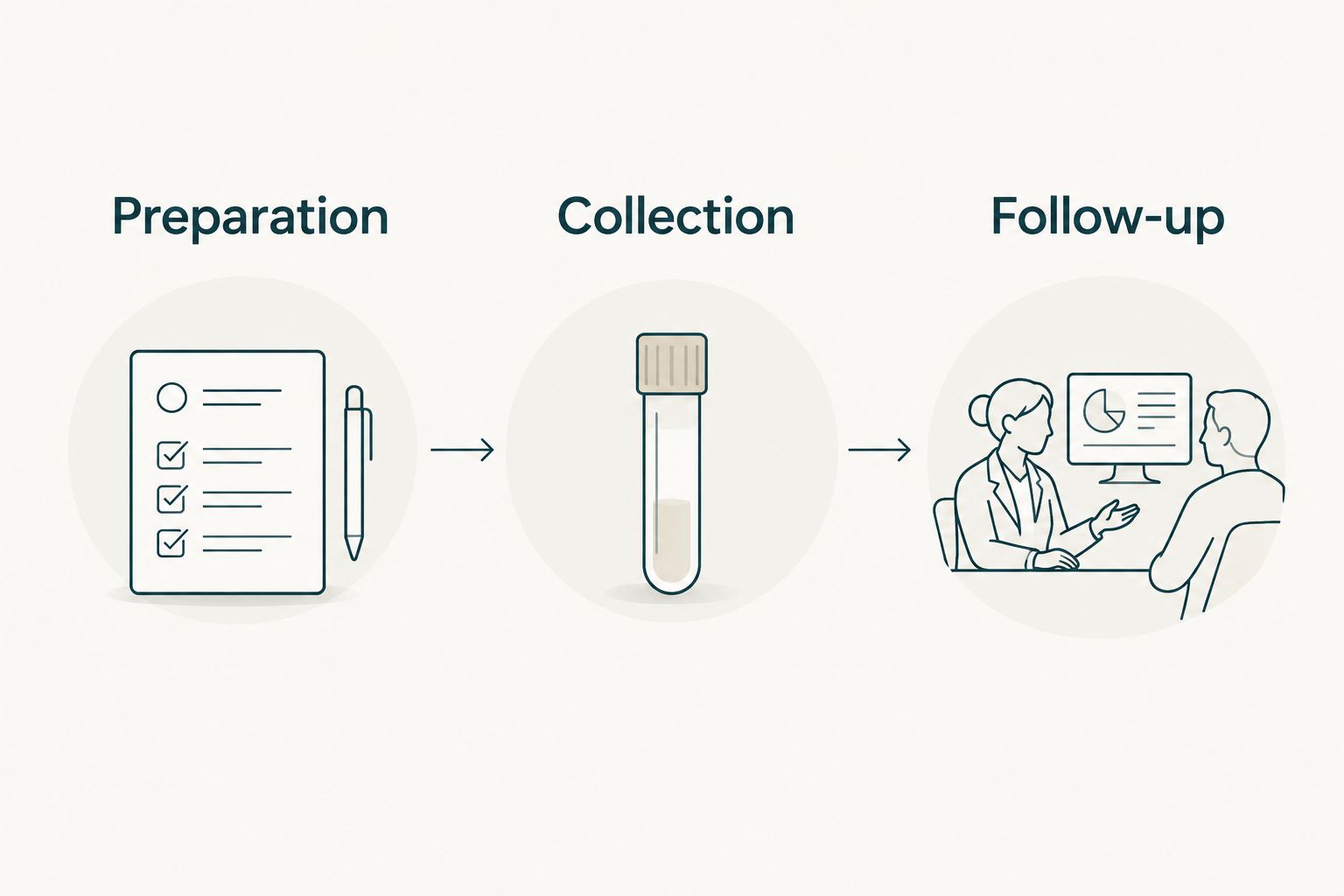
Use a basic appointment sheet and written preparation instructions first. Organise the process into 3 stages: Preparation, Collection and Follow-up. Each stage needs a named contact and a clear handover, whether collection happens at a clinic, at home or through an agreed workplace arrangement.
Do not tell every employee to fast. Fasting requirements depend on the requested tests and the laboratory’s instructions. Employees should not stop prescribed medicines because an employer’s reminder says to arrive with an empty stomach; medication questions belong with the treating clinician.
For a workplace collection proposal in 2026, ask how the provider handles privacy, patient identification, sample labelling, transport and failed collection attempts. Ask which professional and facility licences apply to the activity and how you can verify them. Do not substitute a general claim about credentials for checks on the actual service.
- Send test-specific preparation instructions in advance.
- Confirm identity and consent at collection.
- Provide a private collection and recovery space where applicable.
- Agree sample handling and transport responsibilities.
- Give employees a contact for preparation questions.
The collection appointment is only the middle of the process. Preparation prevents avoidable errors, while follow-up determines whether a result leads to useful care.
5. Agree how clinicians will explain and act on results
Write the result pathway before inviting employees. Specify who reviews results, who contacts the employee and what happens when a finding needs urgent attention. A laboratory report sent to an inbox is not the same as a clinical review.
A result outside a reference range does not automatically establish disease. Clinicians interpret it alongside symptoms, history, medicines and other findings; some results require confirmation or further assessment. Conversely, results within a reference range do not explain away persistent symptoms.
Employees with chest pain, severe breathlessness, fainting or other acute symptoms need urgent medical assessment, not a routine wellness appointment. Your programme instructions should make that distinction explicit. The screening service must not become a waiting room for an emergency.
- Identify the clinician responsible for reviewing results.
- Define the communication pathway for critical findings.
- Explain how employees obtain a consultation.
- State who arranges clinically indicated repeat testing.
- Give employees clear instructions for urgent symptoms.
6. Measure completion of care, not the volume of testing
Start with a spreadsheet of non-clinical programme measures rather than a dashboard of employee biomarkers. Track whether invitations were delivered, appointments were completed and the agreed follow-up process operated. Collect only the information necessary for programme administration.
Choose 3 process measures for your 2026 review: appointment completion, delivery of preparation instructions and completion of agreed result communication. These are proposed measures, not claims about expected performance. Define their denominators and who records them before the programme starts.
Do not present the number of abnormal results as proof of programme success. A useful review asks whether the testing was appropriate and whether employees received the promised explanation. Claims about productivity, absenteeism or financial return require their own evidence; a screening event alone does not establish those outcomes.
- Define each measure before collecting programme data.
- Keep individual diagnoses out of employer dashboards.
- Check whether preparation instructions reached participants.
- Review problems with booking, collection and communication.
- Change the process before expanding the programme.
Compare the collection options
Choose the collection setting after defining the clinical pathway. Convenience matters, but it cannot replace appropriate testing, privacy or follow-up. Ask each provider for a written scope so you can compare the same services rather than different package names.
| Option | Best for | Main advantage | Key limitation |
|---|---|---|---|
| Clinic-based appointments | Employees who need an in-person clinical assessment | Testing can be organised around the clinical visit | Employees need to attend the clinic; confirm whether assessment and testing are separate appointments |
| Agreed workplace collection | Employers coordinating a shared collection session | Brings collection to the workplace | Requires explicit arrangements for privacy, collection space and sample handling |
| At-home collection | Employees who prefer collection away from work | Keeps the appointment outside the workplace | Confirm service area, requested tests and the separate result-review pathway |
| Clinician-led individual testing | Employees with different symptoms, histories or screening needs | Selects tests around the individual | Does not produce a uniform panel for every participant |
DarDoc provides at-home blood tests, but that fact does not establish a workplace collection service or employer reporting capability. Ask about those requirements directly. Do the same with any provider: a convenient booking method is not evidence of a complete corporate programme.
For procurement, request separate descriptions of consultation, collection, laboratory testing and result review. Specify what happens if an employee needs additional care. Keep clinical recommendations independent of the employer’s preference for a standardised package.
Common mistakes employers make
Buying the largest panel
A long list of tests looks thorough but does not show clinical value. Unnecessary testing can generate incidental findings and further investigations. Buy an appropriate care pathway, not a higher test count.
Making participation feel compulsory
A manager asking who has booked can undermine an otherwise voluntary programme. Let employees communicate privately with the healthcare provider, and keep reminders focused on access rather than disclosure of health information.
Treating screening as fitness-for-work clearance
A wellness panel does not establish whether someone can safely perform a specific job. Occupational assessment has a different purpose. Keep its requirements and records separate from the wellness offer.
Funding collection but forgetting follow-up
An employee who receives an unexplained abnormal result has not received a complete screening experience. Agree the result-review service, referral route and responsibility for additional care before the programme launches.
Repeating the same tests automatically
An annual calendar reminder is not a clinical indication. Repeat testing intervals depend on the test, previous findings and individual risk. Ask the clinician to justify the timing rather than copying last year’s panel.
FAQ
What's the best corporate wellness blood test UAE programme?
The best corporate wellness blood test UAE programme uses clinician-selected tests, voluntary participation and confidential follow-up. Choose the care pathway before comparing collection settings or package sizes.
Should every employee get the same blood tests?
No, employees do not automatically need the same blood tests. Age, symptoms, medical history, medicines and previous results affect which tests are appropriate.
Do employees need to fast before a workplace blood test?
Employees should fast only when the requested tests and laboratory instructions require it. Send test-specific instructions, and direct medication questions to the treating clinician.
Can HR receive employees' blood test results?
Individual clinical results should remain within the agreed confidential healthcare pathway, not routine HR reporting. Define consent, access and any employer-level reporting with the provider and your privacy adviser before testing.
Does DarDoc offer blood tests at home in Dubai and Abu Dhabi?
DarDoc provides at-home blood tests in Dubai and Abu Dhabi. Confirm the requested tests, preparation instructions and result-review arrangements; workplace collection and corporate reporting need separate confirmation.
How often should a company repeat wellness blood tests?
Repeat testing should follow individual clinical need rather than an automatic annual panel. The clinician should consider previous results, risk factors and the purpose of each test.
Does an abnormal blood result mean an employee has a disease?
An abnormal blood result does not automatically establish a diagnosis. A clinician interprets it alongside the employee's history and symptoms and decides whether confirmation or further assessment is needed.
One last thing
Before approving your 2026 programme, ask the provider one question: Who contacts the employee when a result needs action? Request the answer in the service scope, including responsibility for urgent findings and routine review.
If the answer stops at sending a laboratory report, the programme is unfinished. Collection is a task; confidential interpretation and an actionable next step are the care.