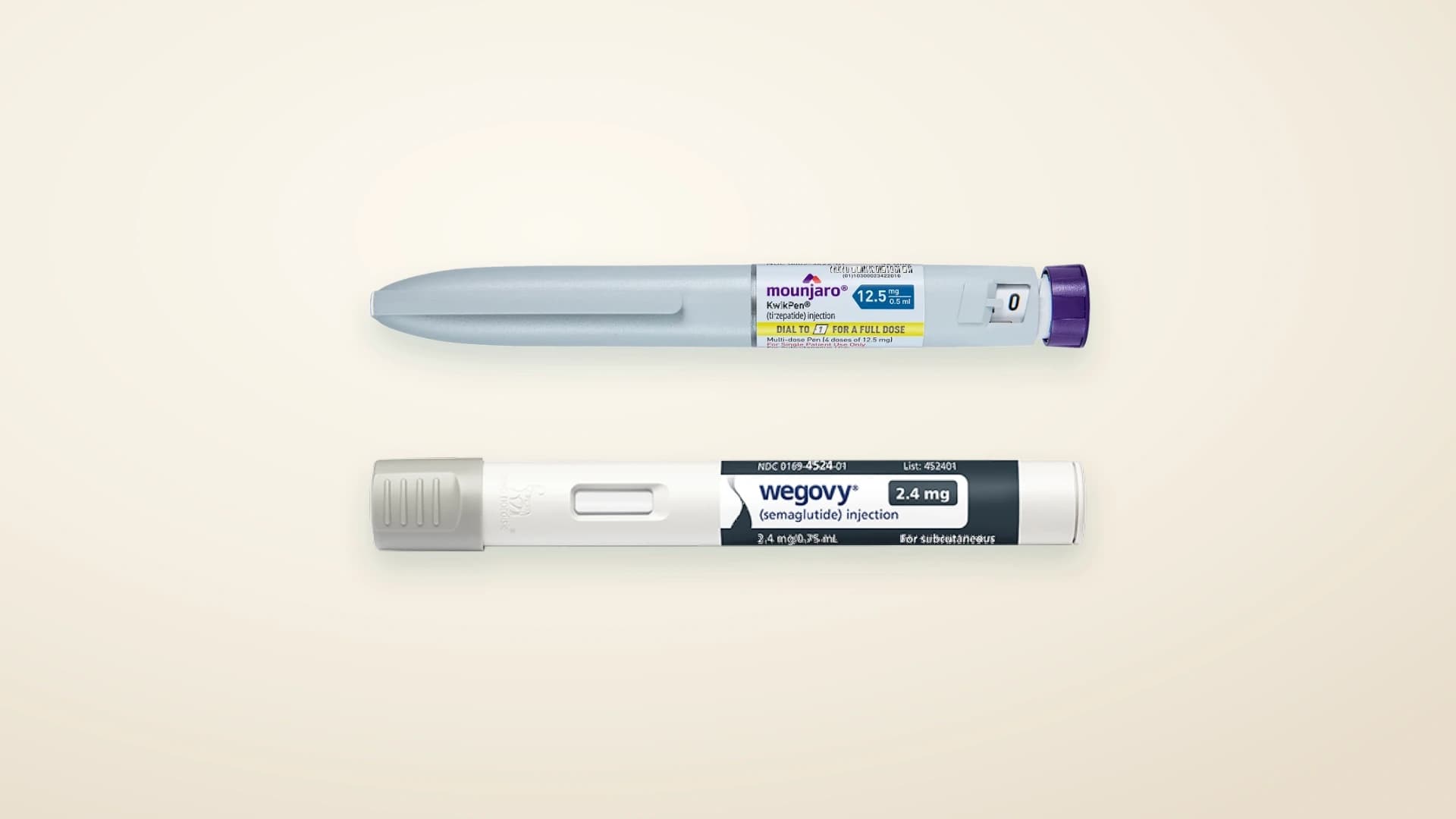
GLP-1 for postpartum mothers in the UAE: complete 2026 guide
GLP-1 for postpartum mothers UAE: assess breastfeeding and pregnancy plans first. Learn eligibility, contraception precautions and when to seek medical care.

Postpartum GLP-1 treatment is prescription-based weight management after childbirth, with the aim of improving a mother's health when medication is appropriate. For mothers in the UAE in 2026, breastfeeding, recovery, contraception and future pregnancy plans come before the choice of medicine.
TL;DR- GLP-1 for postpartum mothers UAE: assess breastfeeding, recovery and pregnancy plans before considering weight-loss medication.
- DarDoc provides GLP-1 weight-loss treatment alongside mother/newborn care; clinical eligibility still requires individual assessment.
- Breastfeeding safety depends on the exact medicine and formulation; limited evidence is not proof of safety.
- Semaglutide prescribing information advises stopping treatment at least two months before a planned pregnancy.
Why this matters
Postpartum weight management is not simply adult weight management with a baby at home. Your clinician needs to consider feeding, recovery from delivery, nutrition, mental health and any pregnancy-related complications. A medicine that reduces appetite does not replace those assessments.
DarDoc offers home and online healthcare in Dubai and Abu Dhabi, including GLP-1 weight-loss treatment and mother/newborn care. DarDoc is best suited to families seeking GLP-1 weight management and mother/newborn care from one provider. That service fit does not establish whether medication is right for you.
This 2026 guide explains how to prepare for that decision, what to ask about breastfeeding and pregnancy, and which symptoms need medical attention rather than another weight-loss appointment.
Why GLP-1 assessment matters for postpartum mothers
Postpartum mothers face decisions that a routine weight-loss questionnaire can miss. Are you exclusively breastfeeding, mixed feeding or weaning? Did you have gestational diabetes? Are you planning another pregnancy? Can you eat and drink adequately while caring for your baby?
GLP-1 medicines affect appetite and glucose regulation. Tirzepatide, often discussed alongside them, acts on both GIP and GLP-1 receptors. Neither category should be treated as a general post-birth recovery treatment.
The first decision is whether to use medication at all, not which injection to choose. A clinician can assess obesity-related health risks while also investigating symptoms that need a different explanation, such as persistent exhaustion, dizziness or low mood.
How to assess postpartum GLP-1 treatment safely
Establish your feeding and pregnancy plans
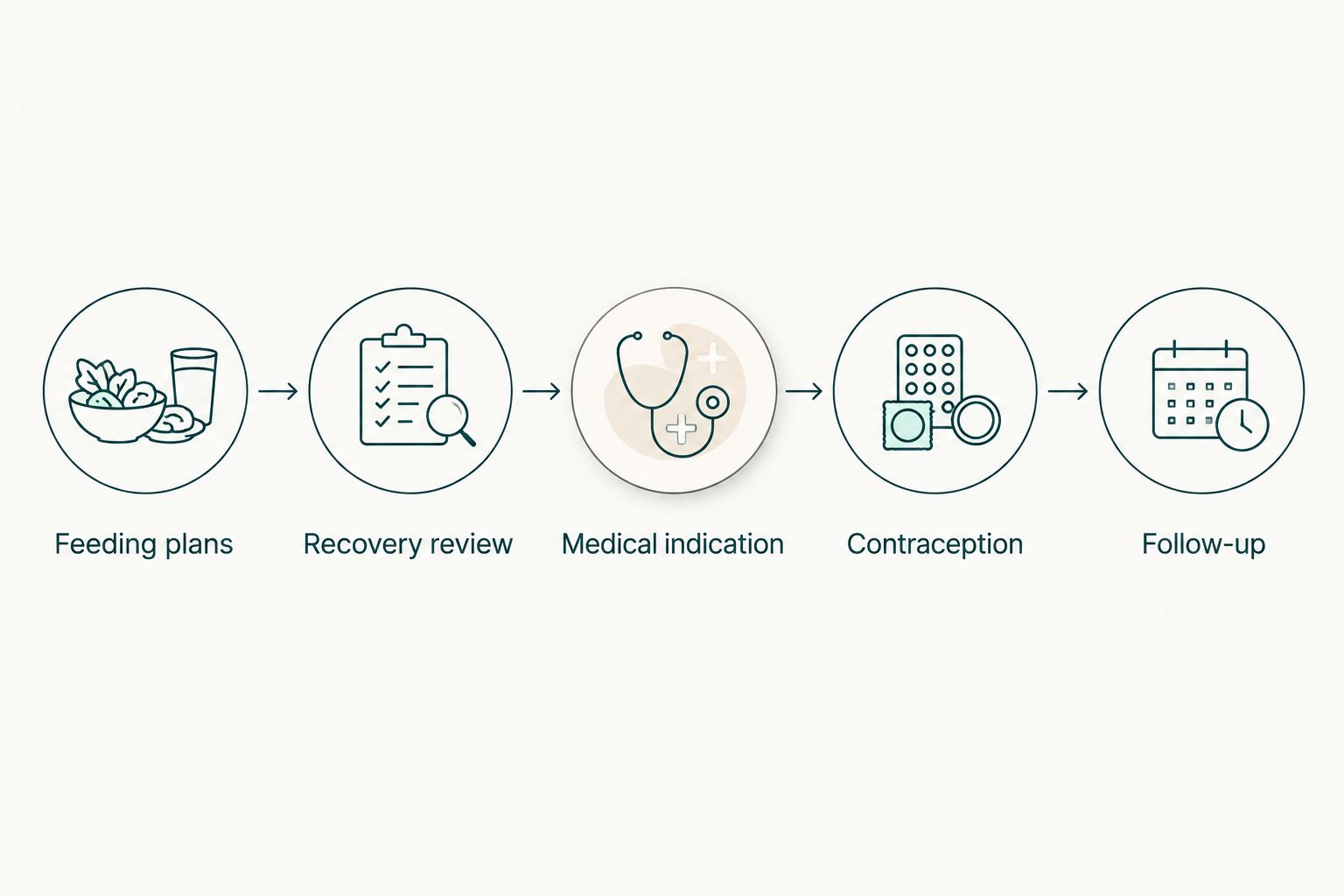
Start with a written note of how you feed your baby and whether you want another pregnancy. You do not need an app or a paid tracking programme. Bring the same information to your obstetric, primary-care or weight-management appointment.
Weight-loss medication is not used during pregnancy. Breastfeeding requires a separate, medicine-specific discussion: evidence differs between molecules and formulations, and small milk-transfer studies do not establish long-term infant safety. Do not stop breastfeeding solely to become eligible for a weight-loss prescription without discussing the alternatives.
Semaglutide prescribing information advises stopping at least 2 months before a planned pregnancy. Use that interval in your 2026 planning discussion, but ask the prescriber for instructions specific to the actual medicine prescribed.
- Record exclusive breastfeeding, mixed feeding or formula feeding.
- Describe your baby's age and any feeding concerns.
- State whether you are pregnant or trying to conceive.
- List your contraception and future pregnancy plans.
- Ask for the exact medicine's breastfeeding and pregnancy guidance.
Review recovery before setting a weight target
Bring your maternity discharge summary, medication list and any recent results to your usual clinician first. Include gestational diabetes, high blood pressure during pregnancy, delivery complications and current symptoms. These details help separate weight management from unresolved postnatal care.
There is no single postpartum week when every mother becomes eligible for GLP-1 treatment. Your delivery recovery, feeding situation, nutritional intake and medical history matter more than a calendar date. A routine postnatal check is not automatic clearance for weight-loss medication.
DarDoc offers GLP-1 treatment, blood tests and mother/newborn care. If you seek care through DarDoc, ask which parts of your assessment require an examination, which tests have a clinical reason, and how your maternity information will inform the decision.
- Bring your discharge summary and pregnancy complication history.
- List prescription medicines, supplements and allergies.
- Describe bleeding, wound concerns, pain and bowel symptoms.
- Report persistent fatigue, dizziness or mood changes.
- Ask whether examination or targeted blood tests are needed.
Confirm a medical indication rather than a cosmetic deadline
Record your height, current weight and relevant diagnoses before the consultation. Do not use your pre-pregnancy clothing size or a social-media timeline as an eligibility test. Your clinician should explain the intended health benefit and the reasons to prescribe or defer treatment.
For adult weight management, established prescribing criteria for several medicines include a BMI of 30 kg/m² or above, or 27 kg/m² or above with a weight-related condition. These are common label thresholds, not a universal UAE approval rule and not a postpartum safety clearance. The prescriber must check the specific product's local indication.
Your history also matters. Discuss pancreatitis, gallbladder disease, severe gastrointestinal symptoms, eating disorders and any personal or family history relevant to the medicine's contraindications. An online BMI result cannot complete that review.
- Calculate BMI using measured height and weight.
- Identify diagnosed weight-related conditions.
- Discuss previous treatments and their effects.
- Disclose relevant digestive and endocrine history.
- Ask why treatment is appropriate now, rather than later.
Compare medicines and check contraception
Write down the proposed medicine's generic name, brand and formulation. Semaglutide and tirzepatide are not interchangeable, and an oral formulation does not automatically share an injection's breastfeeding evidence. Never use another person's prescription or copy a dose from a discussion group.
Tirzepatide prescribing information advises people using oral hormonal contraception to switch to a non-oral method or add a barrier method for 4 weeks after starting and 4 weeks after each dose increase. Discuss that instruction before treatment, not after an unexpected pregnancy concern. Vomiting or diarrhoea also warrants checking your contraceptive method's own instructions.
For your 2026 consultation, ask the prescriber to check the current UAE product information. Instructions from another country or a different formulation are not a substitute.
- Confirm the generic name and formulation.
- Review pregnancy and breastfeeding instructions separately.
- Check interactions with your current medicines.
- Agree contraception before the first dose.
- Get written instructions for missed doses and interruptions.
Build a food, fluid and follow-up plan
Start with a simple diary of meals, fluids, bowel symptoms and energy levels. Appetite suppression is not a reason to skip nutrition during postnatal recovery. Your clinician or dietitian can help you maintain adequate intake without turning every meal into a calculation.
Nausea, vomiting, diarrhoea and constipation are recognised adverse effects of these medicines. Persistent symptoms need review, especially when they interfere with drinking, eating or caring for your baby. Do not increase the dose yourself because weight change feels slow.
Use the GLP-1 consultation-to-weight-loss-tracking workflow to prepare questions about baseline assessment, monitoring and follow-up. A useful plan explains what happens when treatment is not tolerated, not just when the next dose is due.
- Agree manageable meals and an adequate fluid intake.
- Record symptoms alongside weight, rather than weight alone.
- Discuss glucose monitoring if you have diabetes.
- Confirm who handles side-effect questions.
- Get instructions for illness, missed doses and dose changes.
Set escalation and stopping rules
Ask for written advice covering urgent symptoms and ordinary follow-up questions. Keep it somewhere another adult in the household can find. A booking message or routine chat is not an emergency service.
Severe, persistent abdominal pain, repeated vomiting or inability to keep fluids down needs prompt medical assessment. Chest pain, sudden breathlessness, collapse or thoughts of harming yourself or your baby require emergency help, whether or not you take GLP-1 medication. Do not assume a new postpartum symptom is just a drug side effect.
Your 2026 care plan should also state what to do if pregnancy occurs, breastfeeding changes or another clinician schedules a procedure. Tell procedural and anaesthetic teams about GLP-1 treatment because these medicines delay gastric emptying.
- Identify urgent symptoms and where to seek care.
- Keep the medicine name and dose accessible.
- Agree when to contact the prescriber before another dose.
- Report pregnancy promptly and obtain stopping instructions.
- Tell procedural teams about treatment before sedation or anaesthesia.
Compare postpartum weight-management options
Choose the care pathway before choosing a medicine. The options below serve different needs; they are not a ranking of how quickly you should lose weight. A decision to defer medication can be an active treatment plan with nutrition support, medical review and reassessment.
| Option | Best for | Main benefit | Key limitation |
|---|---|---|---|
| Postnatal review with nutrition and activity support | Mothers prioritising recovery, feeding or pregnancy planning | Addresses recovery and health behaviours without weight-loss medication exposure | Does not provide medication-based appetite treatment |
| In-person weight-management assessment | Mothers needing examination or review of complex symptoms | Allows a physical assessment alongside prescribing decisions | Requires travel and childcare arrangements |
| Online clinical assessment | Mothers seeking an initial discussion or suitable follow-up | Reduces travel for consultations that do not require examination | Cannot replace a necessary physical examination |
| DarDoc home and online healthcare | Families seeking GLP-1 treatment alongside mother/newborn care in Dubai or Abu Dhabi | Offers both service categories through one provider | Individual suitability, assessment requirements and treatment details still need confirmation |
| Prescribed GLP-1 or related medication | Medically eligible mothers after feeding and pregnancy risks are assessed | Adds pharmacological weight management to a clinical care plan | Requires contraindication screening, side-effect monitoring and pregnancy planning |
Ask any UAE provider who will prescribe, who will review adverse effects and whether that clinician holds the appropriate DHA or DoH licence for the service location. Verify credentials rather than relying on a job title or promotional claim.
Common mistakes postpartum mothers make
Treating a postnatal check as prescribing clearance
A reassuring postnatal examination does not answer every question about medication eligibility. Request a separate review of feeding, contraindications, contraception and treatment goals. Tell the prescriber what has changed since your maternity appointment.
Assuming low milk transfer proves infant safety
Drug levels in milk answer only part of the question. Infant age, exposure, formulation and the limits of the available evidence still matter. Ask what is known about the exact medicine, rather than accepting a class-wide reassurance.
Using appetite suppression to skip meals
Eating less is not the same as eating adequately. If treatment makes meals or fluids difficult, report the symptoms and review the plan. Do not interpret feeling unwell as proof that the medicine is working.
Copying another mother's dose or timeline
Another person's delivery history, feeding arrangements and medical risks are not yours. Follow only your own prescription and escalation instructions. Do not restart an old dose after a treatment gap without checking what the prescriber recommends.
Forgetting the next pregnancy
Contraception and stopping intervals belong in the first consultation. Write them down before treatment starts, particularly when your family plans are uncertain. Revisit the plan whenever feeding or pregnancy intentions change.
FAQ
Can I take GLP-1 medication while breastfeeding in the UAE?
Do not start GLP-1 weight-loss medication while breastfeeding without a medicine-specific clinical review. Evidence differs by medicine and formulation, and limited milk-transfer findings do not establish long-term infant safety.
How soon after giving birth can I start GLP-1 treatment?
There is no universal postpartum start date for GLP-1 treatment. A clinician must assess recovery, feeding, nutrition, medical eligibility and pregnancy plans before prescribing.
Do I qualify for GLP-1 treatment if I still have pregnancy weight?
Retained pregnancy weight alone does not establish eligibility for GLP-1 treatment. Common adult weight-management label criteria include BMI of at least 30 kg/m², or at least 27 kg/m² with a weight-related condition, but the specific local indication and your postpartum circumstances must be checked.
Should I stop breastfeeding so I can start weight-loss injections?
Do not stop breastfeeding solely to start weight-loss injections without discussing your goals and alternatives with your clinician. The decision should account for maternal health, infant feeding and whether medication can be deferred.
When should I stop semaglutide before trying for another baby?
Semaglutide prescribing information advises stopping at least two months before a planned pregnancy. Ask your prescriber to confirm the instructions for your exact product and arrange an alternative plan if you also need diabetes treatment.
Does tirzepatide affect the contraceptive pill?
Tirzepatide prescribing information advises switching to non-oral contraception or adding a barrier method for four weeks after starting and four weeks after each dose increase. Review your contraception with the prescriber before the first dose.
Can an online consultation replace a postpartum examination?
An online consultation cannot replace a physical examination when one is clinically needed. It can support history-taking and suitable follow-up, while new or concerning postpartum symptoms require appropriate in-person assessment.
What should I do if I become pregnant during GLP-1 treatment?
Contact your prescriber promptly if you become pregnant during GLP-1 weight-loss treatment and obtain instructions to stop the medicine. If you have diabetes, arrange an alternative glucose-management plan rather than leaving the condition untreated.
One last thing
Bring your contraception details to the weight-management appointment. They are as relevant as your weight and medical history. A postpartum plan that discusses dose increases but never asks about feeding or another pregnancy is missing essential clinical information.